I am a Kentucky based USDA Mortgage Lender that has originated over 300 KY Rural Housing Mortgage Loans in Kentucky-CALL OR TEXT 502-905-3708 FOR USDA MORTGAGE LOAN
Chapter 13 Bankruptcy and Mortgage Loans: Buying a Home in Kentucky
Are you currently in or have recently completed a Chapter 13 bankruptcy and want to buy a home in Kentucky? Navigating the mortgage process after bankruptcy can feel overwhelming, but it’s entirely possible to qualify for a home loan with the right knowledge and preparation. Here’s what you need to know about how Chapter 13 bankruptcy impacts your ability to qualify for popular mortgage loan programs like FHA, VA, USDA, and Fannie Mae.
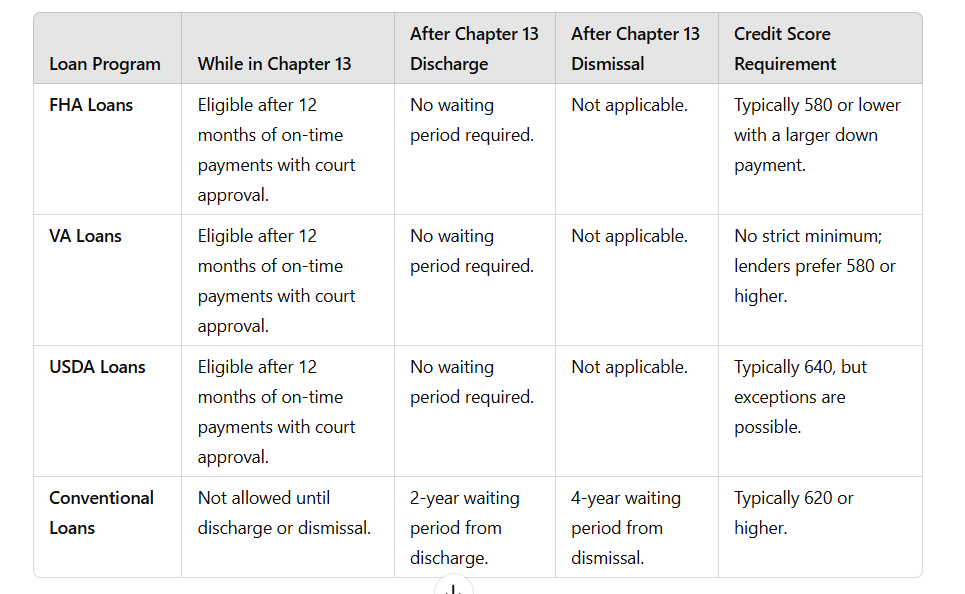
Chapter 13 bankruptcy can impact your ability to qualify for various mortgage loan programs like FHA, VA, USDA, and Fannie Mae. Here are the details for each program regarding waiting times, credit score requirements, down payment, and qualification criteria after a Chapter 13 bankruptcy:
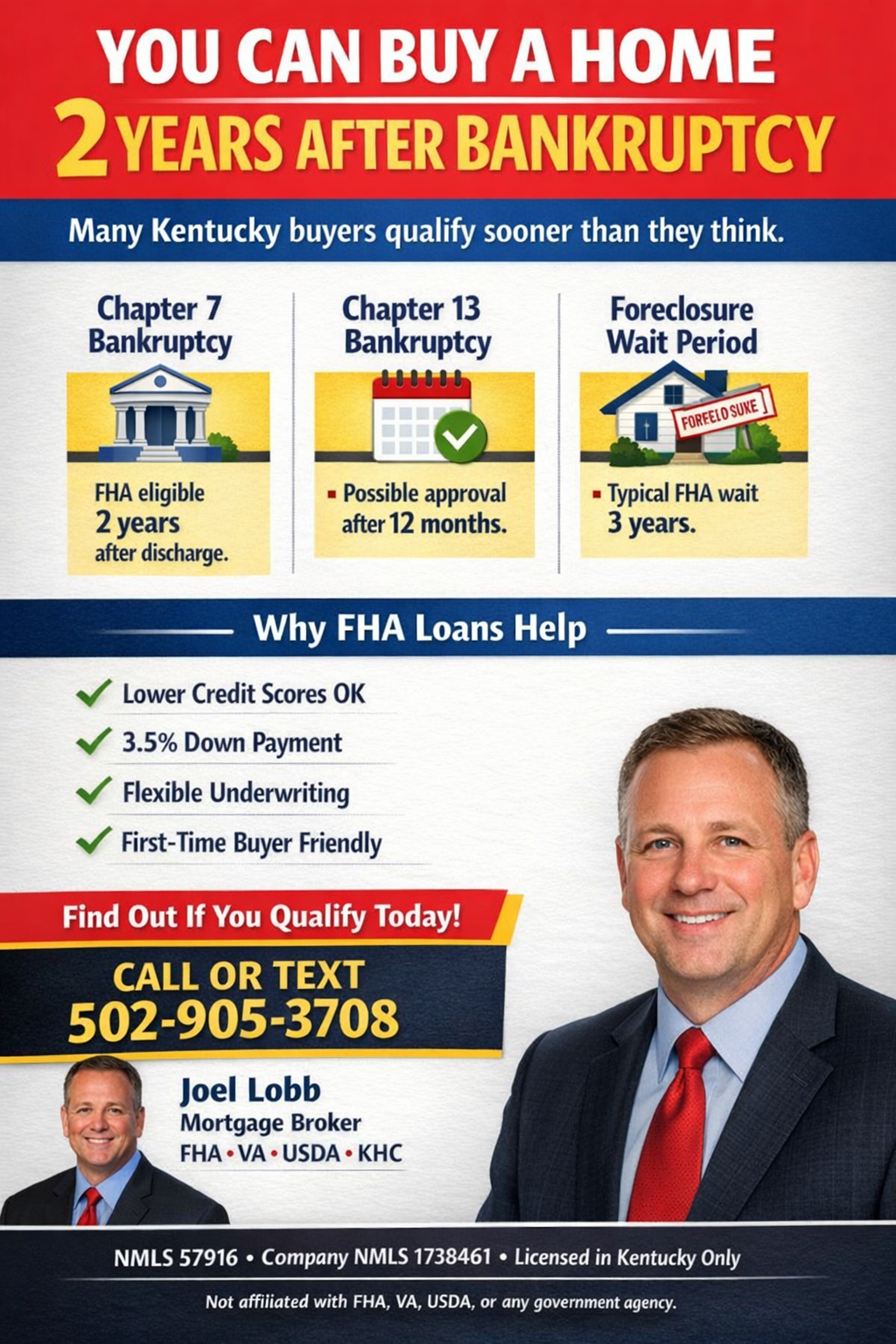
Waiting Time: Typically, you’ll need to wait at least two years after the discharge date of your Chapter 13 bankruptcy before applying for an FHA loan.
Credit Score: FHA loans are known for their flexibility with credit scores. While there’s no specific minimum score, a higher score (usually around 580 or above) can help you qualify for better terms.
Down Payment: The down payment requirement for an FHA loan after Chapter 13 bankruptcy is relatively low, usually starting at 3.5% of the purchase price.
Qualification with Chapter 13 Bankruptcy: To qualify, you must demonstrate that you’ve made all Chapter 13 payments on time for at least one year and receive approval from the bankruptcy court to take on new debt.
Waiting Time: The waiting time for a VA loan after Chapter 13 bankruptcy is generally two years from the discharge date.
Credit Score: VA loans also have flexible credit score requirements, with many lenders looking for scores around 620 or higher.
Down Payment: VA loans are known for offering zero-down financing, but eligibility depends on your military service record and whether you’ve used your VA loan benefits before.
Qualification with Chapter 13 Bankruptcy: Similar to FHA, you’ll need to demonstrate a consistent payment history under your Chapter 13 plan and receive approval from the bankruptcy court.
Waiting Time: USDA loans typically require a waiting period of three years from the discharge date of your Chapter 13 bankruptcy.
Credit Score: While there’s no official minimum credit score, most lenders look for scores of 640 or higher for USDA loans.
Down Payment: USDA loans offer low to no down payment options, making them attractive for eligible borrowers in rural areas.
Qualification with Chapter 13 Bankruptcy: You’ll need to show that you’ve been making timely payments under your Chapter 13 plan for at least one year and obtain approval from the bankruptcy court.
Waiting Time: Fannie Mae typically requires a waiting period of two years from the discharge date of your Chapter 13 bankruptcy.
Credit Score: Fannie Mae loans often have stricter credit score requirements compared to FHA, VA, and USDA loans. A score of around 620 or higher is generally needed.
Down Payment: Down payment requirements vary based on the type of Fannie Mae loan you apply for, but they can range from 3% to 20%.
Qualification with Chapter 13 Bankruptcy: You’ll need to demonstrate responsible financial management after bankruptcy, including rebuilding your credit and showing a stable income.
In all cases, it’s essential to work with a knowledgeable mortgage broker like Joel Lobb, who can guide you through the specific requirements and help you navigate the loan application process after a Chapter 13 bankruptcy.
2026 Guide to USDA Rural Housing Loans for Manufactured Homes in Kentucky: No-Money-Down Options, Even with Bad Credit
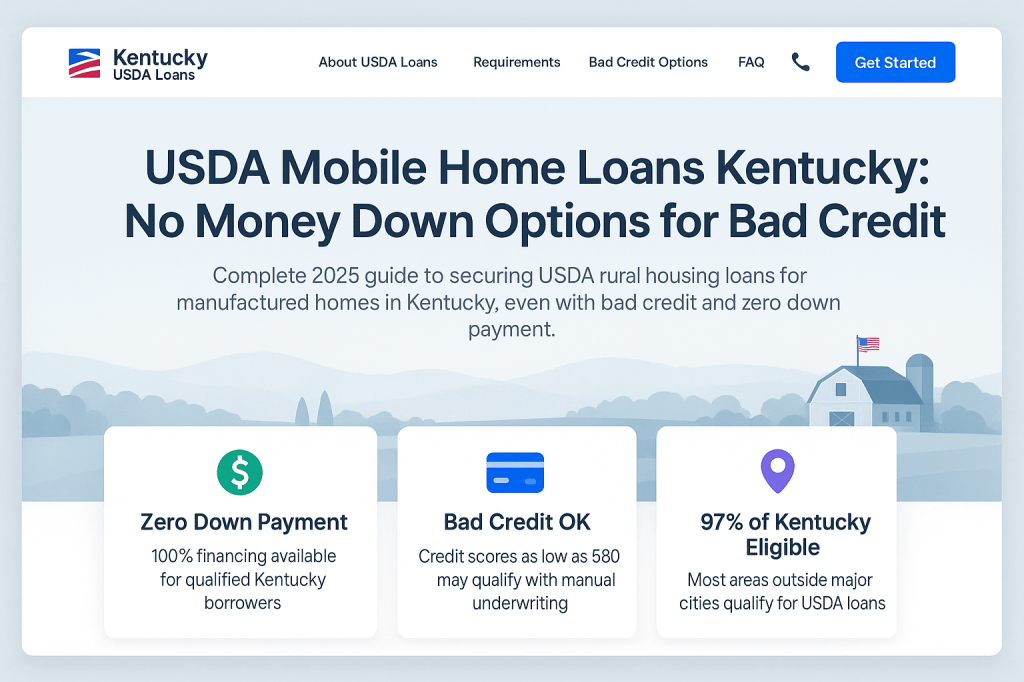
100% financing available for qualified Kentucky borrower
Table of Contents
Understanding USDA Mobile Home Loans in Kentucky
2026 Game-Changing Updates
Kentucky USDA Rural Housing Loan Requirements
Bad Credit Mobile Home Loans in Kentucky
No Money Down Mobile Home Financing Options
Kentucky Counties Eligible for USDA Mobile Home Loans
Foundation and Installation Requirements
How to Apply for USDA Mobile Home Loans in Kentucky
Alternative Financing Options
Frequently Asked Questions
Understanding USDA Mobile Home Loans in Kentucky
The United States Department of Agriculture (USDA) Rural Development program has been quietly revolutionizing homeownership opportunities across Kentucky for decades. Many potential homebuyers don’t realize this. The USDA’s Single Family Housing Guaranteed Loan Program (SFHGLP) extends far beyond traditional stick-built homes. It also includes manufactured and mobile homes. This opens doors for thousands of Kentucky families who previously thought homeownership was out of reach.
Kentucky, with its vast rural landscapes and small-town communities, is well-suited to USDA rural housing programs. Conventional mortgages often demand large down payments and excellent credit. USDA loans, however, are designed for low- to moderate-income families in rural areas. They are an excellent option for mobile home buyers across the Commonwealth.
What Makes USDA Mobile Home Loans Different
•100% Financing: No money down is required, making it perfect for buyers with limited savings
•Affordable Terms: Competitive interest rates make monthly payments manageable
•Rural Housing Opportunities: Ideal for Kentucky homebuyers in small towns and rural areas
•Flexible Credit Requirements: Holistic approach to creditworthiness evaluation
On March 4, 2025, the USDA officially expanded its Single Family Housing Guaranteed Loan Program. This expansion provides 100% financing for manufactured homes. Industry experts are calling this change the most significant development in rural housing finance in decades.
Key Program Changes
Expanded Eligibility
Manufactured homes now receive the same favorable treatment as traditional homes
Age Restrictions Relaxed
Existing manufactured homes up to 20 years old can now qualify
Streamlined Process
Processing times reduced by 30-40% with new guidelines
Better Credit Pathways
Clearer guidelines for borrowers with credit challenges
Kentucky USDA Rural Housing Loan Requirements
Borrower Requirements
✓Income cannot exceed 115% of area median income
✓Must occupy home as primary residence
✓U.S. citizen, non-citizen national, or qualified alien
✓Credit score typically 580+ (manual underwriting available)
Property Requirements
✓Built to HUD Code standards (post-1976)
✓Permanent foundation required
✓Minimum 12 feet wide, 400 sq ft living space
✓Located in USDA-eligible rural area
Bad Credit Mobile Home Loans in Kentucky
One of the most significant advantages of USDA mobile home loans is their accessibility to borrowers with less-than-perfect credit. Unlike conventional mortgages, which often have rigid credit score requirements, USDA loans offer flexibility. This flexibility recognizes the unique challenges faced by rural borrowers.
Credit Score Guidelines
640+ Credit Score Streamlined Processing
580 and above Credit Score Manual Underwriting
Note: USDA takes a holistic approach to credit evaluation, considering factors beyond just credit scores.
Often Asked Questions
What credit score do I need for a USDA mobile home loan in Kentucky?
While USDA doesn’t set a minimum credit score, most lenders prefer scores of 580 or higher. Borrowers with lower scores may still qualify through manual underwriting, and the program takes a holistic approach to credit evaluation.
Can I buy a used mobile home with a USDA loan?
Yes, existing manufactured homes can qualify if they’re less than 20 years old. They must meet HUD standards. The homes should be properly installed on permanent foundations. Additionally, they need to meet all other USDA requirements.
Do I need to own the land to get a USDA loan for a mobile home?
USDA loans can finance both the manufactured home and land together. They can also finance just the home if you already own suitable land. However, the home must be permanently installed and classified as real property.
What areas of Kentucky are eligible for USDA loans?
Approximately 97% of Kentucky qualifies as rural for USDA purposes. Most areas outside of Louisville, Lexington, and a few other metropolitan centers are eligible. Use the USDA’s online eligibility tool to check specific addresses.
This comprehensive guide provides general information about USDA mobile home loans in Kentucky. It should not be considered as financial or legal advice. Potential borrowers should consult with qualified lenders, real estate professionals, and legal advisors for guidance specific to their situations.
Contact a Kentucky Mobile Home Loan Expert
For personalized guidance on Kentucky USDA mobile home loans, contact a local mortgage specialist. They can help with options for borrowers with bad credit and no down payment. The specialist will understand the unique requirements of manufactured home financing.
Disclaimer: This website is not endorsed by the FHA, VA, USDA, or any government agency. It is an independent platform created to educate and assist Kentucky homebuyers with expert advice and accessible tools.
Can I buy land and a mobile home together with a USDA loan?
USDA loans can finance both the manufactured home and the land in a single transaction. This is possible if both meet USDA eligibility requirements. The combined purchase must not exceed USDA loan limits for your area.
What if my credit score is below 580?
While challenging, approvals are possible with strong compensating factors such as stable employment, low debt-to-income ratios, and cash reserves. Working with an experienced USDA lender who understands manual underwriting is essential. Honestly, best to get score to 620 or 640 range for better changes of loan approval. USDA does not have minimum credit score requirements.
How long does the USDA loan process take?
Typical processing time is 45-60 days from application to closing. Processing is taking longer due to USDA cutbacks. This delay can vary based on property complexity. It also depends on documentation completeness and current USDA processing volumes.
Can I use gift funds for closing costs?
Yes, gift funds from family members are allowed for closing costs and prepaid items. Proper gift documentation and seasoning requirements must be met.
What happens if the home doesn’t appraise for the purchase price?
If the appraisal comes in low, you have several options. You can negotiate with the seller to reduce the price. Another option is to pay the difference in cash. Alternatively, you can cancel the contract if you have an appraisal contingency.
Are there income limits for USDA mobile home loans?
Yes, household income cannot exceed 115% of the Area Median Income for your county. These limits are updated annually and vary significantly across Kentucky.
Can I refinance my existing mobile home with a USDA loan?
USDA offers refinancing options for existing USDA loans, but cannot refinance non-USDA loans. However, if your current mobile home meets USDA requirements, you might qualify for a new purchase loan.
What areas of Kentucky qualify for USDA loans?
Most of Kentucky qualifies as rural under USDA guidelines. Use the USDA eligibility map to verify specific addresses, as eligibility can vary even within the same county.
Ready to explore USDA mobile home loan options in Kentucky? Don’t wait, as these programs have annual funding limits. Working with an experienced local lender who understands manufactured home financing is crucial for success.
For personalized guidance on Kentucky USDA mobile home loans:
USDA Loan Closing Timeline in Kentucky | 30-45 Days Explained
How Long Does It Take to Close on a USDA Rural Development Loan in Kentucky?
Expert guide to USDA loan closing timelines for Kentucky homebuyers
Quick Answer: Most USDA Rural Development loans in Kentucky close in 30 to 45 days. Well-prepared files with clean documentation and early USDA submission can close in under 30 days.
If you’re a first-time homebuyer exploring USDA Rural Development loans in Kentucky, understanding the closing timeline helps you plan your move and set realistic expectations. While USDA loans include an extra approval step compared to FHA or VA loans, the delay is typically minimal—usually just 2 to 3 additional business days when the loan is managed properly.
Why USDA Loans Include an Extra Approval Step
Unlike conventional, FHA, or VA loans, USDA Rural Development loans require two approval stages before closing.
In the first stage, your lender completes full underwriting to verify the loan meets USDA Guaranteed Loan Program guidelines. This underwriting process is similar to FHA or VA loans and includes verification of income, assets, credit, and the property appraisal.
Once your lender issues a final approval, the loan file moves to the second stage: USDA Rural Development review. This centralized review ensures compliance with federal rural lending requirements. In most cases, this review is quick and does not materially delay your closing date.
Kentucky USDA Loan Processing: Production Team Two
Kentucky USDA Rural Development loans are processed by Production Team Two, a centralized team based outside the state. This team handles USDA loans for ten states: Arkansas, Kentucky, Louisiana, Minnesota, Missouri, Mississippi, North Dakota, Nebraska, New Jersey, New York, and Oklahoma.
Production Team Two Contact:
SFHGLPTWO@usda.gov
Production Team Two typically operates on a 2 to 4 business day review cycle. However, timelines can vary based on loan submission volume and seasonal demand. During peak homebuying seasons (spring and summer), review times may extend slightly, while slower periods may see faster approvals.
Current USDA Turn Times for Your Loan
The USDA publishes live updates showing which loan submissions they are currently reviewing. This real-time data is the most accurate way to monitor processing timelines for Kentucky USDA loans.
These updates help lenders optimize submission timing and give borrowers realistic closing estimates based on current workload.
What Causes Delays in USDA Loan Closing?
Most USDA loans close on schedule when documentation is complete and submitted correctly. However, common causes of delays include:
Incomplete Income Documentation: Missing W-2s, tax returns, pay stubs, or verification letters often require back-and-forth communication and can add 5–7 days.
Appraisal Issues: If the property appraises below the purchase price or has condition issues, renegotiation or repairs may be required before closing.
Credit or Employment Changes: Any significant credit inquiry, new debt, job change, or employment gap discovered during underwriting requires explanation and may trigger additional review.
Seasonal Volume Spikes: During peak buying seasons, USDA production teams experience higher submission volumes, which can extend review times by a few business days.
Pro Tip: Submit complete, accurate documentation upfront. Have your lender submit your loan to USDA as soon as lender approval is issued. Early submission often means your loan is in queue when USDA begins their next review cycle, speeding up the overall timeline.
Can USDA Loans Close in Under 30 Days?
Yes—while not guaranteed, a clean file with complete documentation, early USDA submission, and no appraisal conditions can close in under 30 days. This typically requires:
All income and asset documentation submitted with the initial application, a property appraisal with no issues or conditions, no employment changes or credit inquiries during underwriting, and early submission to USDA immediately after lender approval.
If these conditions are met, some Kentucky borrowers have closed USDA loans in 25–28 days.
USDA vs. FHA vs. VA Closing Timelines
While USDA loans do take slightly longer than FHA or VA loans, the difference is minimal:
FHA Loans: 30–40 days (no extra federal review step)
VA Loans: 28–38 days (VA review is faster and often parallel to underwriting)
USDA Loans: 30–45 days (includes two approval stages, but second stage is typically quick)
In practice, the 2–3 day difference rarely impacts your ability to meet contract deadlines, especially if your lender submits to USDA early.
Bottom Line: USDA Loan Closing Timeline in Kentucky
USDA loans in Kentucky are not slow—they are simply structured differently. The extra approval step is built into the process and, when managed correctly, adds minimal delay.
When income, assets, and credit are documented properly and the appraisal is clean, most Kentucky USDA homebuyers close within standard 30–45 day timelines. The deciding factors are early submission and strong file preparation.
Frequently Asked Questions About USDA Loan Closing Times
How long does a USDA loan take to close in Kentucky?
Most USDA loans in Kentucky close in 30 to 45 days. Clean files with early USDA submission can close in under 30 days.
Do USDA loans take longer than FHA or VA loans?
Yes, but typically only by 2–3 business days. USDA loans require an additional final review by Rural Development after lender approval, while FHA and VA loans may not have the same secondary approval step.
Which USDA team handles Kentucky loans?
Kentucky USDA loans are processed by Production Team Two, which serves ten states. They typically operate on a 2–4 business day review cycle.
What causes the most delays with USDA loans?
Incomplete documentation, appraisal issues, credit changes, and seasonal volume spikes are the most common causes of delays. Submitting complete paperwork upfront and early USDA submission help avoid these delays.
Can I track my USDA loan approval status in real time?
Yes. The USDA publishes live turn time updates at rd.usda.gov, showing which submissions they are currently reviewing.
Does Kentucky have slower USDA turn times than other states?
No. Kentucky is handled by the same Production Team Two as nine other states, and turn times are consistent across all ten states—typically 2–4 business days.
What’s the fastest USDA loan I’ve heard of closing in Kentucky?
Some well-prepared files have closed in 25–28 days. This requires complete documentation, a clean appraisal, and early submission to USDA, but it’s achievable.
About the Author
Joel Lobb is a Kentucky-based mortgage loan officer with over 20 years of experience helping first-time homebuyers and families refinance through USDA, FHA, VA, KHC, and Fannie Mae programs. With down payment assistance still available through KHC, Joel specializes in making homeownership accessible to Kentucky families. Reach out for a free consultation and same-day approval.
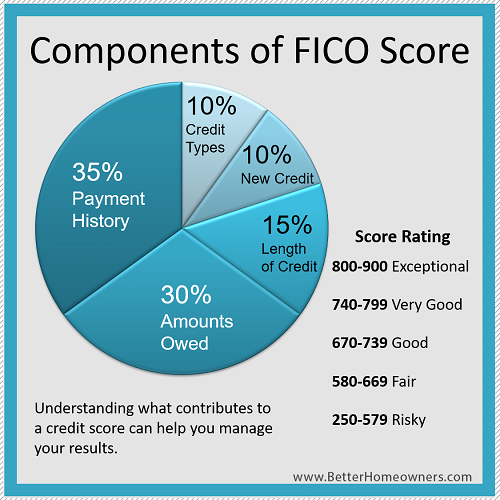
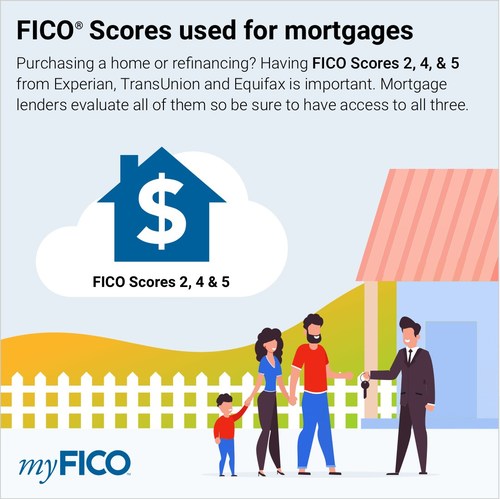
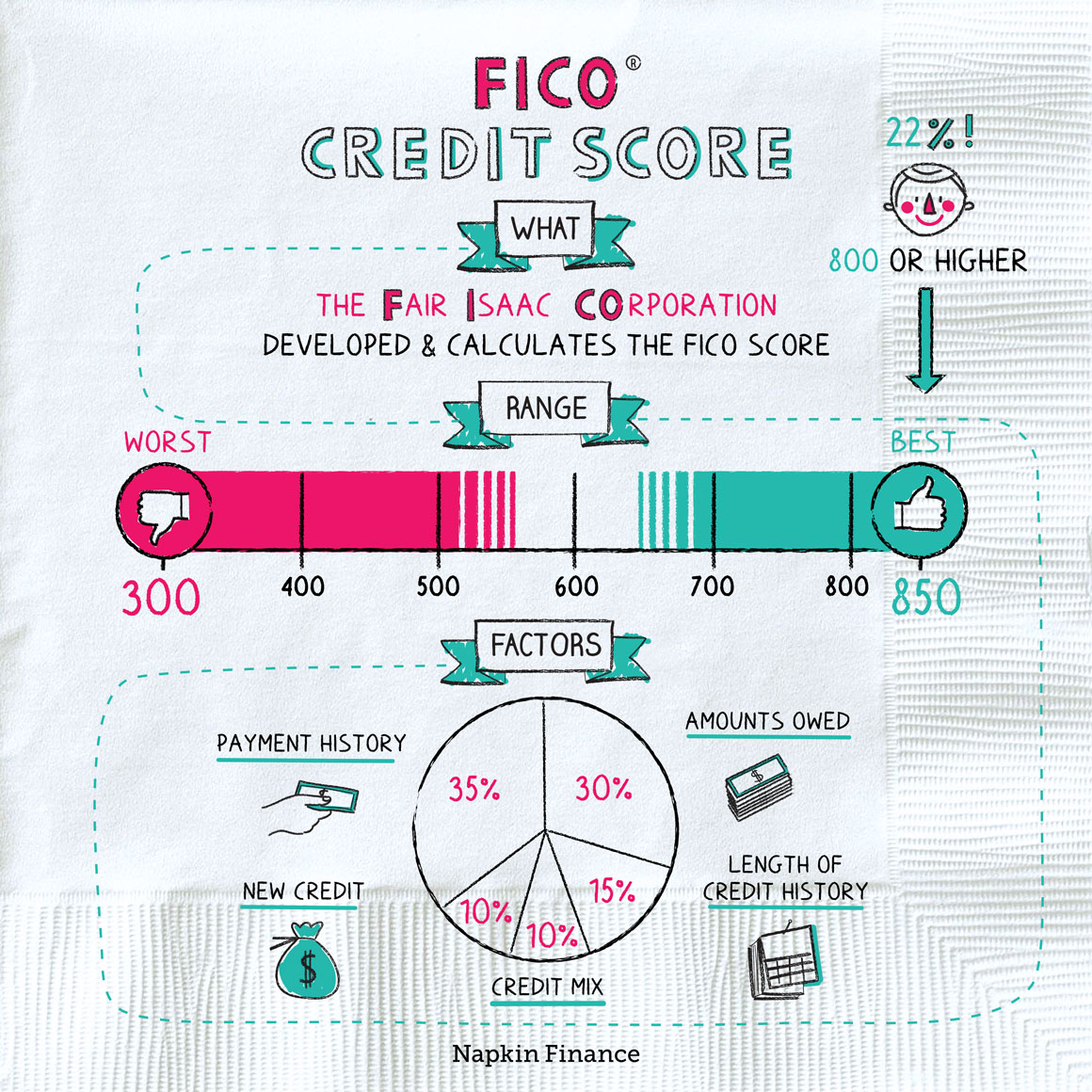
When you are ready to apply for a Kentucky mortgage loan approval to buy a house in the state of Kentucky, you will need a more accurate picture of how a mortgage lender may view your Transunion, Experian, Equifax credit reports and their scores. Scores go from 344 to 850 on each three credit bureaus and they take the middle score of the three, throwing out the highest and lowest score. Kentucky Mortgage lenders look at your credit on Equifax as well as TransUnion and Experian — all 3 bureaus.
Although FICO Score version 8 is one of the latest and most predictive versions of the FICO Score, the mortgage industry generally uses the “classic” versions 5, 4 and 2 from Transunion, Equifax and Experian
If you are planning to buy a home in Kentucky, one of the first questions you should be asking is: what credit score do I need to qualify? The second question is: what credit score do I need to get the best interest rate? These are not the same question. Qualifying is one thing. Securing optimal pricing is another.
Kentucky minimum credit score requirements by loan type
Credit score alone does not determine approval. Underwriting also evaluates income stability, debt-to-income ratio, assets, employment history, and the appraisal. That said, credit score is still a critical approval gate for most programs.
FHA loan (Federal Housing Administration)
Minimum allowed by HUD: 580 for 3.5% down; 500–579 typically requires 10% down
Real-world lender requirement in Kentucky: most lenders will not go below 580; many prefer 600–620
VA loan (Veterans Affairs)
VA does not publish a minimum credit score
Real-world lender overlays: most lenders require 580–620; stronger pricing typically starts at 640+
USDA Rural Development (guaranteed)
Technically, 580 may be accepted in some cases
In practice, 640+ is commonly needed for smoother automated approval; under 640 may trigger manual underwriting
Conventional (Fannie Mae)
620 minimum
Best pricing is typically 740–760+
KHC (Kentucky Housing Corporation) with down payment assistance
620 minimum
No exceptions for most KHC DPA options
Bottom line: most realistic Kentucky approval scenarios begin at 580 for FHA/VA and 620 for Conventional/KHC. USDA is often most efficient at 640+.
Government guidelines vs lender overlays
Programs like FHA, VA, USDA, Fannie Mae, and KHC publish baseline guidelines. Lenders often add overlays (stricter rules) due to risk and secondary market requirements. This is why “on paper” minimums may not match what lenders actually approve.
How lenders calculate your qualifying credit score
Mortgage lenders pull a tri-merge credit report showing three scores from Equifax, Experian, and TransUnion. The lender discards the highest and lowest score and uses the middle score.
Example:
Equifax: 610
Experian: 629
TransUnion: 614
Your qualifying score would be 614 (the middle score).
Most lenders require at least two usable scores. Also, the score you see on consumer apps is often not the same score model used for mortgage underwriting.
What credit score typically gets the best interest rate?
Rate pricing improves as scores rise. While exact pricing varies by day, lender, and loan type, these tiers are common:
620–639: higher rates and limited pricing
640–679: improved options
680–719: strong approval tier
720–759: excellent pricing
760+: top tier pricing
If you are within 10–20 points of a better tier, improving your score before you lock can materially reduce your payment and long-term interest cost.
If your credit score is low: what to do next
Do not guess. Do not apply randomly. Also, do not dispute accounts without a plan (disputes can delay underwriting). The most effective approach is a structured credit review focused on:
reducing revolving utilization
verifying tradeline reporting accuracy
strategic payoff sequencing if needed
avoiding new inquiries and new debt
In many cases, meaningful improvement can happen in 30–60 days with the right steps.
Images from the original post
Replace the image URLs below with your WordPress Media Library URLs (or paste your existing image blocks here).
Credit score tiers for Kentucky mortgage approvalsTri-merge credit report: how the middle score is usedHow credit score ranges can affect mortgage pricing
Frequently asked questions
What is the minimum credit score to buy a home in Kentucky?
Many lenders will consider FHA/VA at 580+ and Conventional/KHC at 620+. USDA is commonly easiest at 640+ for automated approval, though exceptions may exist depending on the full file.
Does VA have a minimum credit score requirement?
VA does not publish a minimum credit score. However, most lenders use overlays and commonly require 580–620.
Why is my Credit Karma score different than my mortgage score?
Mortgage lending uses specific FICO score models. Many consumer apps show different scoring models intended for education and monitoring, not mortgage underwriting.
How do lenders pick which credit score they use?
With three bureau scores, lenders typically use the middle score (not the highest or the lowest). Most lenders also require at least two usable scores.
What score gets the best mortgage rate?
Top pricing is commonly seen at 760+ and often strong pricing begins around 740+. Exact pricing depends on the loan type, down payment, DTI, reserves, and market conditions.
The views and opinions stated on this website belong solely to the author and are intended for informational purposes only.
Posted information does not guarantee approval and does not represent full underwriting guidelines.
This does not represent being part of a government agency.
The views expressed do not necessarily reflect the view of my employer.
Not all products or services mentioned may fit all borrowers.
NMLS ID #57916 (www.nmlsconsumeraccess.org). USDA mortgage loans only offered in Kentucky.
All loans and lines are subject to credit approval, verification, and collateral evaluation and are originated by lender.
Products and interest rates are subject to change without notice.
{
“@context”: “https://schema.org”,
“@type”: “FAQPage”,
“mainEntity”: [
{
“@type”: “Question”,
“name”: “What is the minimum credit score to buy a home in Kentucky?”,
“acceptedAnswer”: {
“@type”: “Answer”,
“text”: “Many lenders will consider FHA/VA at 580+ and Conventional/KHC at 620+. USDA is commonly easiest at 640+ for automated approval, though exceptions may exist depending on the full file.”
}
},
{
“@type”: “Question”,
“name”: “Does VA have a minimum credit score requirement?”,
“acceptedAnswer”: {
“@type”: “Answer”,
“text”: “VA does not publish a minimum credit score. However, most lenders use overlays and commonly require 580–620.”
}
},
{
“@type”: “Question”,
“name”: “Why is my Credit Karma score different than my mortgage score?”,
“acceptedAnswer”: {
“@type”: “Answer”,
“text”: “Mortgage lending uses specific FICO score models. Many consumer apps show different scoring models intended for education and monitoring, not mortgage underwriting.”
}
},
{
“@type”: “Question”,
“name”: “How do lenders pick which credit score they use?”,
“acceptedAnswer”: {
“@type”: “Answer”,
“text”: “With three bureau scores, lenders typically use the middle score (not the highest or the lowest). Most lenders also require at least two usable scores.”
}
},
{
“@type”: “Question”,
“name”: “What score gets the best mortgage rate?”,
“acceptedAnswer”: {
“@type”: “Answer”,
“text”: “Top pricing is commonly seen at 760+ and often strong pricing begins around 740+. Exact pricing depends on the loan type, down payment, DTI, reserves, and market conditions.”
}
}
]
}
{
“@context”: “https://schema.org”,
“@type”: “MortgageLoan”,
“name”: “Kentucky Mortgage Loan Options: FHA, VA, USDA, Conventional, KHC”,
“description”: “Educational overview of credit score requirements and typical lender overlays for Kentucky mortgage loans, including FHA, VA, USDA, Conventional (Fannie Mae), and KHC down payment assistance options.”,
“loanType”: [“FHA”, “VA”, “USDA”, “Conventional”, “KHC”],
“areaServed”: {
“@type”: “State”,
“name”: “Kentucky”
},
“provider”: {
“@type”: “MortgageBroker”,
“name”: “Joel Lobb, Mortgage Broker FHA, VA, KHC, USDA”,
“telephone”: “+1-502-905-3708”,
“email”: “kentuckyloan@gmail.com”,
“url”: “http://mylouisvillekentuckymortgage.com/”,
“identifier”: {
“@type”: “PropertyValue”,
“name”: “NMLS”,
“value”: “57916”
}
},
“isBasedOn”: “Credit score guidance varies by program and lender overlays. Final approval depends on full underwriting including income, assets, DTI, and appraisal.”,
“disclaimer”: “Informational only. Not a commitment to lend. All loans subject to credit approval, verification, and collateral evaluation. Rates and programs subject to change.”
}
100% Financing Zero Down Payment Financing Kentucky Mortgages and Home loans
Buy a Home with No Down-Payment or Refinance Your Mortgage to 100% Just a few years ago, most mortgage companies offered no money down home loans, but today only there are only a handful of experienced lenders offering the USDA and VA home loans. Don’t miss out on affordable mortgage rates for no equity mortgages. Now is the time to discuss no money down home buying or no equity refinancing while rates are low and the programs still exist.

.jpg)




 Call/Text:
  Email:
  Website:
 Address: 911 Barret Ave, Louisville, KY 40204
 Kentucky USDA Mortgage Lender for Rural Housing Loans