Author: Kentucky Mortgage Broker Offering FHA, VA, USDA, Conventional, and KHC Down Payment Assistance Home Loans

Kentucky Homebuying Guide: USDA Loans Post-Bankruptcy Explained


By Joel Lobb, Kentucky Mortgage Loan Officer | NMLS ID: 5791

Dreaming of homeownership in Kentucky but think a past bankruptcy or foreclosure has you permanently sidelined? Think again! USDA Rural Housing loans offer a powerful pathway to homeownership, even after financial setbacks. I have over 20 years of experience in helping Kentucky families achieve their homeownership dreams. I’ve guided hundreds of clients through this exact situation.

In this comprehensive guide, you’ll discover how to qualify for a USDA loan after bankruptcy. You will understand the credit requirements and navigate income limits. You’ll also find your perfect Kentucky home in an eligible rural area.


Table of Contents

  1. Why USDA Loans Are Perfect for Kentucky Homebuyers
  2. Bankruptcy & Foreclosure Requirements
  3. Credit Score Essentials
  4. Understanding Income Limits in Kentucky
  5. The New 29% DTI Rule & Property Eligibility
  6. Key Features & Fees of USDA Loans
  7. The Application Process & Required Documents
  8. Pros & Cons of USDA Loans
  9. How to Get Started Today

Why USDA Loans Are Perfect for Kentucky Homebuyers {#why-usda-loans}

USDA Rural Housing loans aren’t just for farmers! These government-backed mortgages are designed to promote homeownership in rural America. Under USDA guidelines, 97% of Kentucky qualifies as “rural”.

Key Benefits for Kentucky Residents:

Zero Down Payment Required – 100% financing available ✅ No Monthly PMI – Unlike FHA loans ✅ Lower Interest Rates – Competitive rates backed by the federal government ✅ Flexible Credit Requirements – Options for borrowers rebuilding credit ✅ Forgiving After Financial Hardship – Shorter waiting periods than conventional loans ✅ Kentucky-Wide Availability – Most areas outside Louisville and Lexington qualify

Important Update: New affordability rules take effect November 4, 2025. It is crucial to apply sooner rather than later. Doing so will maximize your buying power.


Bankruptcy & Foreclosure Requirements {#bankruptcy-requirements}

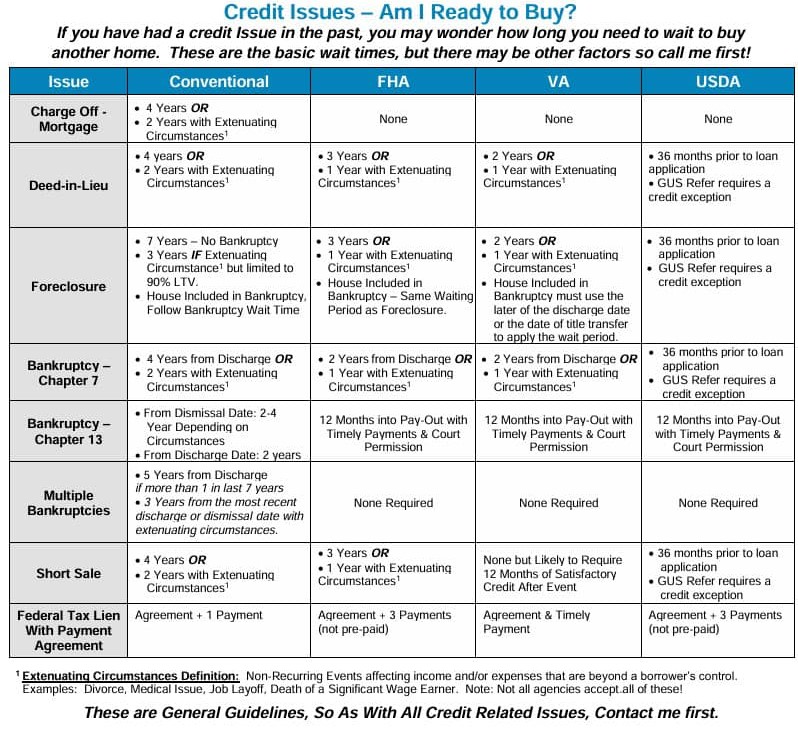
One of the most common questions I hear is: “Can I still get a USDA loan after bankruptcy?” The answer is YES – but timing matters.

Chapter 7 Bankruptcy Requirements

Standard Waiting Period: 3 years from discharge date

Reduced Waiting Period: 2 years with extenuating circumstances

What counts as “extenuating circumstances”?

  • Job loss beyond your control
  • Serious illness or medical emergency
  • Death of a primary wage earner
  • Divorce resulting in loss of household income
  • Military deployment affecting finances

Important Note: The waiting period begins from the discharge date, not the filing date. Make sure you have your bankruptcy discharge paperwork ready.

Chapter 13 Bankruptcy Requirements

Waiting Period: 12 months of consistent, on-time, court-approved payments

Key Requirements:

  • Must have court trustee’s written approval to incur new debt
  • All 12 months of payments must be verified and on-time
  • Must demonstrate improved financial management
  • Cannot have any late payments during the 12-month period

Pro Tip: Start preparing your USDA loan application around month 10 of your Chapter 13 payments so you’re ready to move forward immediately after meeting the 12-month requirement.

Foreclosure Requirements

USDA Waiting Period After Foreclosure: 3 years from completion date

Can Be Reduced to 2 Years If:

  • The foreclosure resulted from documented extenuating circumstances
  • You’ve re-established good credit since the foreclosure
  • You can demonstrate the circumstances that caused the foreclosure are unlikely to recur

Short Sales and Deed-in-Lieu

Waiting Period: Generally 3 years, similar to foreclosure

Exception: May be reduced with extenuating circumstances and strong compensating factors


Credit Score Essentials

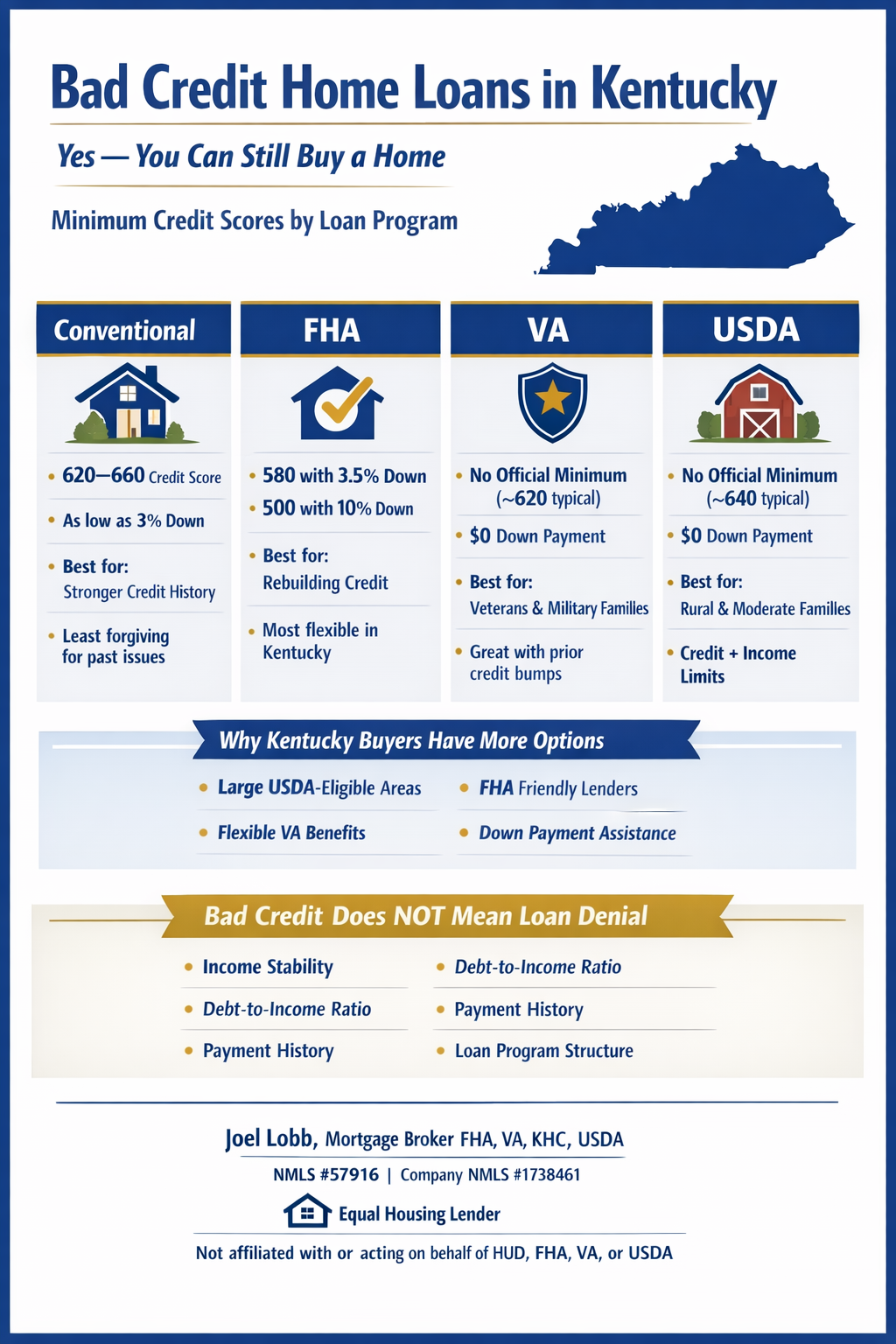
Minimum Credit Score: 620 (For Most Lenders)

While the USDA doesn’t set an official minimum credit score, most Kentucky lenders require a FICO score of at least 620 to qualify for automated underwriting approval.

What If Your Score Is Below 620?

Don’t give up! You may still qualify through manual underwriting if you can demonstrate:

Strong Compensating Factors:

  • 12+ months of on-time rent payments (documented)
  • Stable employment history (2+ years same employer)
  • Low debt-to-income ratio (under 29% PITI)
  • Cash reserves (3-6 months of housing payments)
  • Previous successful homeownership
  • Significant down payment (even though USDA allows 0% down)

Rebuilding Your Credit for USDA Approval

After Bankruptcy or Foreclosure, Focus On:

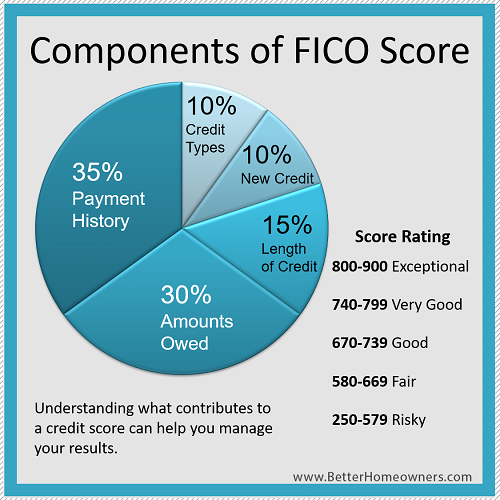
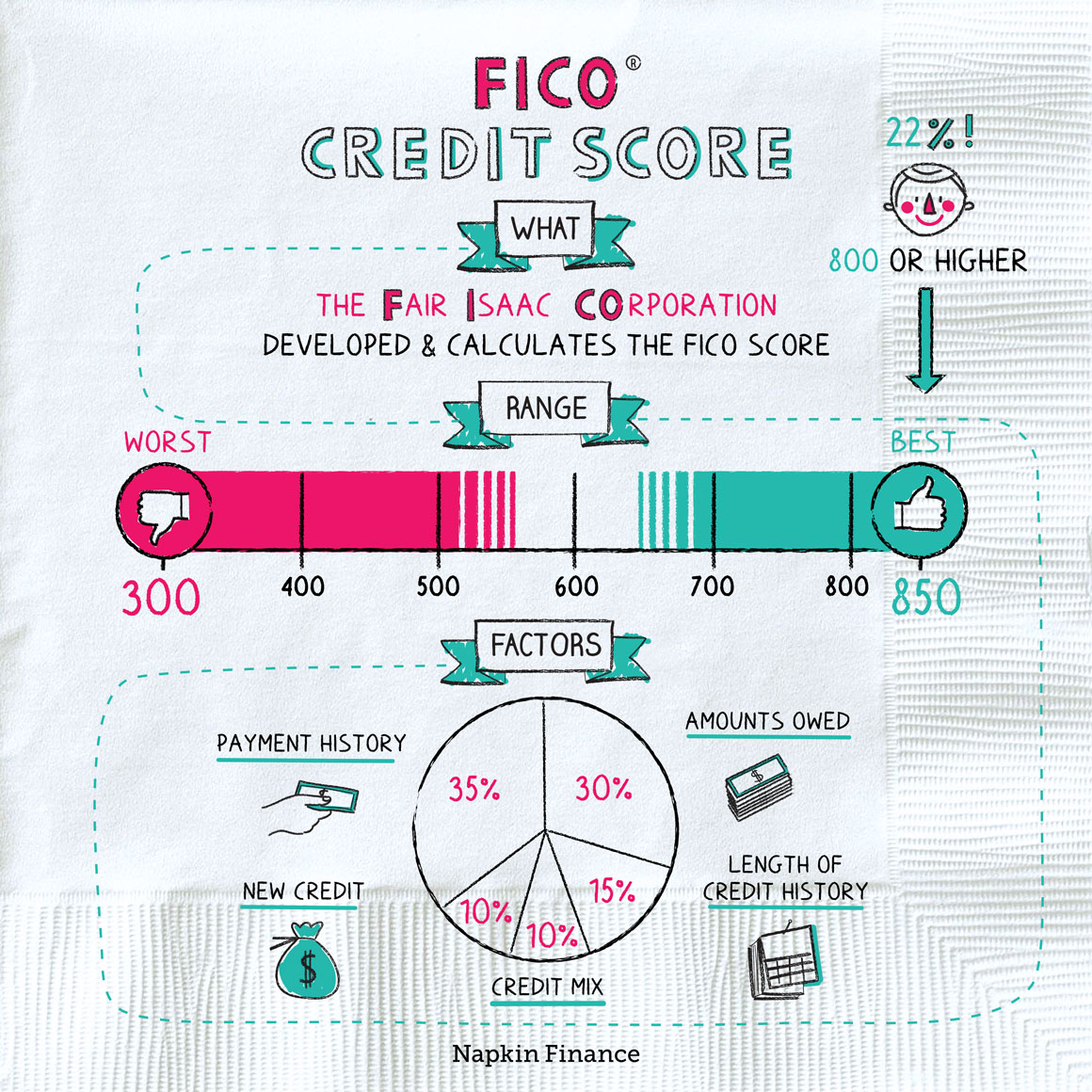
  1. Payment History (35% of score)
    • Pay ALL bills on time for at least 12 months
    • Set up automatic payments to avoid missed due dates
    • Even small bills matter (utilities, phone, etc.)
  2. Credit Utilization (30% of score)
    • Keep credit card balances below 30% of limits
    • Pay down existing debt aggressively
    • Don’t close old accounts (hurts credit age)
  3. New Credit (15% of score)
    • Consider a secured credit card to rebuild
    • Become an authorized user on someone’s card
    • Avoid multiple credit applications
  4. Credit Mix (10% of score)
    • Maintain different types of credit (installment + revolving)
    • Car loans, credit cards, and personal loans help

Timeline for Credit Recovery:

  • 6 months: Begin seeing improvement with on-time payments
  • 12 months: Significant score increases possible
  • 24 months: Approaching pre-bankruptcy score levels


Important Disclaimer

This article provides general information about USDA Rural Housing loans in Kentucky. Individual circumstances vary, and this should not be considered legal or financial advice. USDA guidelines are subject to change, and all information is current as of October 2025.

This website and its content are not endorsed by the USDA, FHA, VA, or any government agency. It is an independent platform created to educate and assist Kentucky homebuyers.

Bankruptcy and foreclosure situations require individual assessment. Always consult with a qualified mortgage professional and, if needed, legal counsel for guidance specific to your situation.


Contact Joel Lobb – Kentucky Mortgage Loan Officer

Ready to explore your USDA loan options after bankruptcy or foreclosure?

📧 Email: kentuckyloan@gmail.com 📞 Call/Text: 502-905-3708

Licensed Kentucky Mortgage Professional

Visit: www.nmlsconsumeraccess.org


Related Kentucky Mortgage Resources


Understanding USDA Loan Appraisal Requirements


Kentucky USDA Loan Guide

Kentucky USDA Appraisals: What to Expect (and What Can Trigger Repairs)

USDA appraisals follow FHA minimum property standards to confirm value and ensure the home is safe, sound, and move-in ready.

Key point

The USDA appraisal is completed by an FHA-approved appraiser and must follow FHA property requirements. The report typically includes language substantially similar to:

“The subject meets minimum standards as set under guidelines established by the U.S. Department of Housing and Urban Development and indicated in Handbook 4000.1.”

How the USDA appraisal works

  1. Appraiser inspects the property and determines market value.
  2. If the home has property deficiencies, the appraisal is issued “subject to” repairs.
  3. Repairs are completed and the appraiser performs a re-inspection.
  4. Appraiser signs off once repairs meet minimum standards.

Common property deficiencies that can delay closing

  • Chipped or peeling paint
  • Missing handrails on stairs or guardrails on decks
  • Non-working lights, exposed wiring, or uncovered junction boxes
  • Inoperable HVAC, plumbing leaks, or non-working water heater
  • Utilities not turned on at time of appraisal (water/electric/heat)

Bottom line: USDA is designed for homes in move-in condition, not fixer-uppers.

What FHA/USDA appraisers typically review

General health and safety

  • Foundation or structural defects
  • Working utilities: water, sewer/septic, heat, electricity
  • Paint hazards (especially pre-1978 peeling paint)
  • Incomplete renovations
  • Water damage or moisture concerns
  • Access for vehicles/emergency access
  • External hazards and excessive noise
  • Missing handrails/guardrails

Exterior

  • Roof condition and leaks
  • Damaged siding or holes
  • Doors that don’t open/close properly
  • Gutters, chimney, porches, stairs, railings
  • Fencing issues that create safety concerns
  • Swimming pool safety/code (if applicable)

Interior and systems

  • Each room has working electricity
  • Bedroom egress (window or exterior door)
  • Kitchen: typical conveyed appliances and working sink
  • Bathrooms: working fixtures and ventilation
  • Crawlspace/basement: moisture or standing water
  • Heating and plumbing: operable with no major leaks

Repair escrow note (important)

A limited repair escrow option may be available through select USDA lenders. If you think repairs may be required, tell me before you write the offer so we can align the lender strategy up front and avoid avoidable delays.

Appraisal vs home inspection

An FHA/USDA appraisal is not a full home inspection. Buyers should still obtain an independent home inspection to evaluate overall condition, components, and long-term maintenance risks.

Equal Housing Lender. NMLS #57916 | Company NMLS #1738461.

This content is for educational purposes only and is not a commitment to lend. Loan approval is subject to credit, underwriting, and program guidelines.

As with all loan programs, the USDA Loan requires that an independent appraiser inspect the subject property in order to determine the property value. Specific to a USDA Loan, the appraisal report will be conducted by an FHA approved appraiser. The appraisal report must include verbiage or similar verbiage:

“The subject meets minimum standards as set under guidelines established by the U.S. Department of Housing and Urban Development and indicated in Handbooks 4000.1”

No different from a FHA or VA appraisal inspection, the appraiser is required to document all property deficiencies that preclude the appraiser from signing off on their report. A property deficiency is any defect to the house that the appraiser deems necessary to have repaired to ensure compliance to the loan program guidelines. Typical examples of property deficiencies include:

  • Chipped and peeling paint
  • Missing handrails on stairs and railing on decks
  • Lights not working properly and wires hanging out of the electrical box
  • Non-working heating and cooling systems and plumbing
  • Houses that do not have utilities turned on

If a property has deficiencies, the appraiser will determine the value of the property, but state that their report is subject to the property defects listed being corrected. After the property defects are repaired, the appraiser will re-inspect the property, and signoff if the required repairs have been completed.

Bottom line, the USDA Loan program is designed to finance homes that are in move-in condition, not fixer-uppers. However, on a subsequent email I will review an option to establish a repair escrow account to address certain property deficiencies. The repair escrow account is only available through one of my many USDA lenders, so it is imperative to inform me when making an offer a house if this option will be required.

Kentucky USDA appraisals

Kentucky USDA appraisals can take home buyers by surprise. That’s why we’ve put together some good-to-know info about the process. Feel free to use this to help educate your clients. 

The property must pass an FHA appraisal, so USDA and FHA have the same appraisal requirements, which determines the current market value and makes sure the house meets certain safety standards. Here is a list of items an FHA appraiser may look for:

General Health and Safety

  • Foundation or structural defects
  • Whether the utilities (water, sewage, heat, and electricity) all work
  • Chipped or peeling paint in homes built before 1978
  • Incomplete renovations
  • Water damage
  • If the property is accessible to vehicles, especially emergency vehicles
  • Exposed wiring and uncovered junction boxes
  • Whether the house is too close to outside hazards, such as a leaking oil tank or a waste dump
  • Excessive noise, such as being close to an airport
  • Missing handrails

Exterior

  • Leaky or defective roof and holes in the siding
  • Leaning or broken fencing 
  • Doors that don’t properly open or close
  • Condition of gutters, chimney, stairs, railings, and porches
  • If swimming pools are up to code 

Every Room

  • Whether each room has electricity
  • Whether each room has a window or door to the exterior to be used as a fire escape

Kitchen

  • Missing or broken appliances usually sold with a home, including stove and refrigerator
  • Broken or leaking sink

Bathrooms

  • Broken or leaking toilet, sink, or tub/shower
  • No ventilation (either an exhaust fan or window)

Crawl space or basement

  • Basement moisture
  • Evidence of past or present standing water

Heating and Plumbing

  • Inoperable HVAC
  • Major plumbing issues and leaks

These are some common items an FHA appraiser looks for, but other issues that might make a house unsafe could keep it from passing. An FHA appraisal is not the same as an independent home inspection. It’s still a good idea to get a separate home inspection to make sure you’re making a wise investment! 

USDA APPRAISAL REQUIREMENTS FOR KENTUCKY MORTGAGE LOANS

100% Financing for Kentucky Mobile Homes: New USDA Guidelines


Big News for Kentucky Mobile Home Buyers: USDA Loan Changes Coming in

Are you looking for affordable home financing options for manufactured or mobile homes in Kentucky? Big news is here! Starting March 4, 2025, the USDA will officially offer 100% financing for manufactured homes. This exciting change will make homeownership more accessible and affordable for families in Kentucky.

You can now take advantage of FHA loans with Kentucky Housing Corporation’s down payment assistance. This assistance is available on used mobile homes or new mobile homes. This assistance offers a path to 100% financing. This option is ideal for those purchasing manufactured homes in urban and rural areas alike

What Does This Mean for Kentucky Homebuyers?

For years, many buyers in Kentucky seeking affordable housing options, like mobile homes, faced limited financing choices. With the USDA’s policy changes, more Kentucky homebuyers will qualify for 100% financing on manufactured homes. This program is transformative. It is especially beneficial for those in rural areas. Many are looking to take advantage of USDA’s Rural Housing Loan Program.

Benefits of the USDA Manufactured Home Loan Program

  • 100% Financing – No money down is required, making it perfect for buyers with limited savings.
  • Affordable Terms – Competitive interest rates make monthly payments manageable.
  • Rural Housing Opportunities – Ideal for Kentucky homebuyers in small towns and rural areas.
  • Expanded Eligibility – These changes will allow more manufactured homes to qualify, opening up affordable housing options.

How to Qualify for a USDA Loan for Mobile Homes in Kentucky

To take advantage of this incredible opportunity, you’ll need to meet a few requirements:

Why This Update Is Great for Kentucky Buyers

With rising home prices, these changes make it easier for families in Kentucky to purchase affordable housing. Manufactured homes are an excellent option for those seeking modern, energy-efficient, and affordable living solutions. This program ensures that homeownership is possible for more families across Kentucky, particularly in rural communities.

Get Pre-Approved for Your USDA Mobile Home Loan in Kentucky

Don’t wait until March 2025! Start planning now to take advantage of these USDA loan changes. Are you considering purchasing a mobile home in Kentucky? I can help you secure the best financing option for your needs.

I specialize in USDA and rural housing loans for mobile and manufactured homes across Kentucky. I have decades of experience and local expertise. I’m here to guide you through the process. I will help you achieve your dream of owning a home with no money down.


1 –  Email – kentuckyloan@gmail.com 
2.   Call/Text – 502-905-3708

Joel Lobb
Mortgage Loan Officer – Expert on Kentucky Mortgage Loans


🌐 Websitewww.mylouisvillekentuckymortgage.com
🏢 Address: 911 Barret Ave., Louisville, KY 40204


Evo Mortgage
Company NMLS# 1738461
Personal NMLS# 57916

For assistance with Kentucky mortgage loans, reach out via email, call, or text Joel Lobb directly.

Tags: #MobileHomesKentucky #USDALoanMobileHome #KentuckyManufacturedHomeLoan #RuralHousingMobileHome #NoMoneyDownKentucky

Kentucky USDA Home Loan Guide: Qualifying Criteria Explained


The Kentucky Rural Housing  USDA home loan program offers an excellent opportunity for eligible homebuyers in rural and suburban areas of Kentucky to secure affordable financing with no down payment. To qualify, applicants must meet specific requirements related to credit score, income, work history, bankruptcy, foreclosure, debt-to-income ratio, property requirements, and mortgage insurance. Here’s a detailed guide to help you understand these qualifications:

Credit Score Required For Kentucky Rural Housing Approval

No minimum credit score but a 580 to  640 is generally required to qualify for a USDA loan. This score allows for streamlined processing through the Guaranteed Underwriting System (GUS). Applicants with scores below 640 may still qualify but will need to undergo manual underwriting, which requires additional documentation and scrutiny.

Income Requirements for Kentucky USDA Rural Housing Approval

USDA loans have income limits that vary by county and household size. These limits are designed to ensure the program assists low- to moderate-income families. Generally, your household income should not exceed 115% of the median income for your area. The USDA provides an online tool to check income eligibility based on your location and household size.

Work History requirements for Kentucky USDA loan Approval 

A stable work history is essential for Kentucky  USDA loan approval. Lenders typically look for at least two years of consistent employment. Any gaps in employment need to be explained and documented. For self-employed applicants, a minimum of two years of tax returns is required to verify income stability.

Kentucky USDA Rural Housing Bankruptcy and Foreclosure Guidelines

While past financial difficulties like bankruptcy or foreclosure can affect your eligibility, they do not automatically disqualify you. Here are the typical waiting periods:

  • Chapter 7 Bankruptcy: At least three years from the discharge date.
  • Chapter 13 Bankruptcy: At least one year of the payout period must be completed with satisfactory payment history and court approval for a new loan.
  • Foreclosure: At least three years from the completion date.

Kentucky USDA Debt-to-Income Ratio (DTI) Requirements

The Kentucky USDA loan program has specific DTI requirements to ensure borrowers can manage their mortgage payments. The front-end ratio (housing expenses) should not exceed 29% of your gross monthly income, and the back-end ratio (total monthly debt obligations) should not exceed 45%. Exceptions can be made for borrowers with compensating factors, such as higher credit scores or additional cash reserves.

Kentucky USDA Property Requirements

USDA loans are intended for properties in designated rural areas. The USDA provides an online tool to check property eligibility. The home must be used as the primary residence and meet certain quality standards according to Kentucky FHA Appraisal HUD Guidelines  including:

  • Adequate and functional heating, plumbing, and electrical systems
  • Structurally sound foundation and roof
  • Safe water supply and waste disposal systems
  • Must have an undamaged exterior, foundation and roof
  • Must have safe and reasonable property access
  • Must not contain loose wiring and exposed electrical systems
  • Must have all relevant utilities, including gas, electricity, water and sewage functioning properly.
  • Must have a working, permanent heating system that can heat the property adequately
  • Must have surfaces free of chipping or peeling lead-based paint
  • Must have adequate access to attic spaces and natural ventilation in crawl spaces
  • Must have access to potable water
  • Must be free from wood-destroying insect infestations
  • Must not have interior and exterior health and safety hazards, such as no handrails on steep staircases
  • Must be a marketable property

Mortgage Insurance Required For Kentucky USDA loan Approval

Kentucky Rural Housing USDA loans require mortgage insurance, which includes an upfront guarantee fee and an annual fee. The upfront fee is typically 1% of the loan amount, which can be financed into the loan. The annual fee, usually 0.35% of the loan balance, is paid monthly as part of the mortgage payment. These fees help protect lenders and the USDA in case of borrower default.


Qualifying for a USDA home loan in Kentucky involves meeting specific criteria in several areas: Credit Score: No Minimum score but a 620-640 for streamlined processing; lower scores may require manual underwriting down to 580 with some lenders but few and far between Income Requirements: Must not exceed 115% of the median income for your area. Work History: At least two years of stable employment. Bankruptcy and Foreclosure: Waiting periods of 1-3 years depending on the situation. Debt-to-Income Ratio: 29% for housing expenses, 41% for total debt; exceptions possible. Property Requirements: Must be in a designated rural area and meet quality standards. Mortgage Insurance: Includes an upfront guarantee fee and an annual

Summary

Qualifying for a USDA home loan in Kentucky involves meeting specific criteria in several areas:

  • Credit Score: No Minimum score but a 620-640 for streamlined processing; lower scores may require manual underwriting down to 580 with some lenders but few and far between
  • Income Requirements: Must not exceed 115% of the median income for your area.
  • Work History: At least two years of stable employment.
  • Bankruptcy and Foreclosure: Waiting periods of 1-3 years depending on the situation.
  • Debt-to-Income Ratio: 29% for housing expenses, 41% for total debt; exceptions possible.
  • Property Requirements: Must be in a designated rural area and meet quality standards.
  • Mortgage Insurance: Includes an upfront guarantee fee and an annual fee.

By understanding and meeting these requirements, you can take advantage of the USDA loan program to achieve homeownership in Kentucky’s rural areas. For personalized assistance, consider consulting with a mortgage broker or lender experienced in USDA loans, like Joel Lobb in Louisville, who can guide you through the process and help you qualify.

Joel Lobb
Mortgage Broker – FHA, VA, USDA, KHC, Fannie Mae
EVO Mortgage • Helping Kentucky Homebuyers Since 2001
📞 Call/Text: 502-905-3708
📧 Email: kentuckyloan@gmail.com
🌐 Website: www.mylouisvillekentuckymortgage.com
🏠 Address: 911 Barret Ave, Louisville, KY 40204
NMLS #57916 | Company NMLS #1738461
Free Info & Homebuyer Advice →
Kentucky Mortgage Loan Expert
FHA | VA | USDA | KHC Down Payment Assistance | Fannie Mae
Equal Housing Lender. This is not a commitment to lend. All loans are subject to credit approval and program requirements.

Kentucky Rural Housing Homes for Foreclosures USDA


Direct USDA Resale Search Link

If the embedded search tool does not display on your device, you can access the official USDA foreclosure and resale listings directly using the link below:


Visit the USDA Single-Family Housing Resale Website

Current USDA Homes for Sale in Kentucky: Foreclosure Listings

Homebuyers searching for affordable USDA homes for sale in Kentucky may find opportunities through select single-family foreclosure listings in rural areas. At this time, two foreclosure properties are available that may be eligible for USDA Rural Housing financing for qualified owner-occupants.

USDA Rural Housing loans allow eligible Kentucky buyers to purchase a primary residence with no down payment, provided income limits, property location, and minimum property condition requirements are met.

Can USDA buy foreclosure homes?

Yes. A foreclosure home can be purchased using a USDA Rural Housing loan if the property is located in a USDA-eligible area, the buyer meets total household income limits, the home will be owner-occupied, and the property meets USDA minimum safety and livability standards after appraisal.

  • Owner-occupied primary residence only
  • Total household income limits apply
  • Property location must be USDA eligible
  • USDA appraisal and condition standards still apply

Current Single-Family USDA Foreclosure Homes in Kentucky

Search criteria:

  • State: Kentucky
  • Property Type: Single Family
  • Listing Type: Foreclosure
  • Total Properties Available: 2
Address City County Price Beds Baths Sq Ft
65 Country Club Est Le Center Ballard County $33,500 2 1.5 2,147
1993 Hickory Camp Road Springfield Washington County $33,500 3 1 1,185

Important USDA considerations for foreclosure homes

  • Foreclosure homes are sold as-is
  • USDA loans still require a satisfactory appraisal
  • Some foreclosures may require repairs before approval
  • Mortgage pre-approval should be completed before submitting an offer
  • Availability can change quickly

How to confirm USDA eligibility before making an offer

  1. Verify the property address using the USDA eligibility map
  2. Confirm total household income is within county limits
  3. Obtain a USDA-specific mortgage pre-approval
  4. Review repair requirements early

Helpful USDA resources for Kentucky buyers

NMLS #57916 | Company NMLS #1738461
Mortgage Broker – FHA, VA, USDA, KHC, Fannie Mae
Kentucky properties only. Not a commitment to lend. Equal Housing Lender.

Want Help Checking a Specific Address?

USDA resale homes are rare and sell quickly. If you want me to verify eligibility, financing options, or payment estimates for a specific property, start with a USDA pre-approval.


Get Pre-Approved for a USDA Loan in Kentucky

What is a Kentucky USDA Loan?
A Kentucky USDA loan is a zero-down-payment mortgage backed by the U.S. Department of Agriculture, designed to help low-to-moderate income families purchase homes in eligible rural and suburban areas of Kentucky. These loans are issued through USDA-approved lenders with the government guaranteeing the loan.

Key Benefits of USDA Loans:
100% financing - No down payment required
Low mortgage insurance - 1% upfront, 0.35% annual (much lower than FHA)
Competitive interest rates - Often lower than conventional loans
Flexible credit requirements - Options available for credit scores as low as 620
No maximum purchase price - Loan amount based on your income and debt ratios

Kentucky Mortgage Broker Offering FHA, VA, USDA, Conventional, and KHC Down Payment Assistance Home Loans's avatarLouisville Kentucky Mortgage Loans

Single Family Housing Properties Found: 10

Filtered By:State> Kentucky;Property Type> Single Family; Listing Type> All Types;
Rows:5102550100AllFilter:

PhotoListing TypeStreet AddressCityStateCountyZipPrice/BidBedsBathsSq. Ft.

Details
Foreclosure107 Debbie Ave
Map
LancasterKentuckyGarrard40444$24,120311144

Details
Foreclosure86 Solitude Dr
Map
SomersetKentuckyPulaski42503$43,550321162

Details
Foreclosure104 Holly Grove Rd
Map
CorbinKentuckyLaurel40701$72,072321376

Details
Foreclosure100 Colonial Park Dr
Map
WinchesterKentuckyClark40391$79,225311075

Details
Foreclosure95 Nagy Dr
Map
LebanonKentuckyMarion40033$80,925321299

Details
Foreclosure310 Sarah Ct
Map
WinchesterKentuckyClark40391$81,260321072

Details
Foreclosure107 Ridgefield Rd
Map
LancasterKentuckyGarrard40444$82,79031.51232

Details
Foreclosure28 Harbor St
Map
NancyKentuckyPulaski42544$89,375321568

Details
Foreclosure412 Seth…

View original post 25 more words