How Long to Close a USDA Loan in Kentucky?


USDA Loan Closing Timeline in Kentucky | 30-45 Days Explained

How Long Does It Take to Close on a USDA Rural Development Loan in Kentucky?

Expert guide to USDA loan closing timelines for Kentucky homebuyers

Quick Answer: Most USDA Rural Development loans in Kentucky close in 30 to 45 days. Well-prepared files with clean documentation and early USDA submission can close in under 30 days.

If you’re a first-time homebuyer exploring USDA Rural Development loans in Kentucky, understanding the closing timeline helps you plan your move and set realistic expectations. While USDA loans include an extra approval step compared to FHA or VA loans, the delay is typically minimal—usually just 2 to 3 additional business days when the loan is managed properly.

Why USDA Loans Include an Extra Approval Step

Unlike conventional, FHA, or VA loans, USDA Rural Development loans require two approval stages before closing.

In the first stage, your lender completes full underwriting to verify the loan meets USDA Guaranteed Loan Program guidelines. This underwriting process is similar to FHA or VA loans and includes verification of income, assets, credit, and the property appraisal.

Once your lender issues a final approval, the loan file moves to the second stage: USDA Rural Development review. This centralized review ensures compliance with federal rural lending requirements. In most cases, this review is quick and does not materially delay your closing date.

Kentucky USDA Loan Processing: Production Team Two

Kentucky USDA Rural Development loans are processed by Production Team Two, a centralized team based outside the state. This team handles USDA loans for ten states: Arkansas, Kentucky, Louisiana, Minnesota, Missouri, Mississippi, North Dakota, Nebraska, New Jersey, New York, and Oklahoma.

Production Team Two Contact:
SFHGLPTWO@usda.gov

Production Team Two typically operates on a 2 to 4 business day review cycle. However, timelines can vary based on loan submission volume and seasonal demand. During peak homebuying seasons (spring and summer), review times may extend slightly, while slower periods may see faster approvals.

Current USDA Turn Times for Your Loan

The USDA publishes live updates showing which loan submissions they are currently reviewing. This real-time data is the most accurate way to monitor processing timelines for Kentucky USDA loans.

→ View Current USDA Guaranteed Loan Turn Times

These updates help lenders optimize submission timing and give borrowers realistic closing estimates based on current workload.

What Causes Delays in USDA Loan Closing?

Most USDA loans close on schedule when documentation is complete and submitted correctly. However, common causes of delays include:

Incomplete Income Documentation: Missing W-2s, tax returns, pay stubs, or verification letters often require back-and-forth communication and can add 5–7 days.

Appraisal Issues: If the property appraises below the purchase price or has condition issues, renegotiation or repairs may be required before closing.

Credit or Employment Changes: Any significant credit inquiry, new debt, job change, or employment gap discovered during underwriting requires explanation and may trigger additional review.

Seasonal Volume Spikes: During peak buying seasons, USDA production teams experience higher submission volumes, which can extend review times by a few business days.

Pro Tip: Submit complete, accurate documentation upfront. Have your lender submit your loan to USDA as soon as lender approval is issued. Early submission often means your loan is in queue when USDA begins their next review cycle, speeding up the overall timeline.

Can USDA Loans Close in Under 30 Days?

Yes—while not guaranteed, a clean file with complete documentation, early USDA submission, and no appraisal conditions can close in under 30 days. This typically requires:

All income and asset documentation submitted with the initial application, a property appraisal with no issues or conditions, no employment changes or credit inquiries during underwriting, and early submission to USDA immediately after lender approval.

If these conditions are met, some Kentucky borrowers have closed USDA loans in 25–28 days.

USDA vs. FHA vs. VA Closing Timelines

While USDA loans do take slightly longer than FHA or VA loans, the difference is minimal:

FHA Loans: 30–40 days (no extra federal review step)

VA Loans: 28–38 days (VA review is faster and often parallel to underwriting)

USDA Loans: 30–45 days (includes two approval stages, but second stage is typically quick)

In practice, the 2–3 day difference rarely impacts your ability to meet contract deadlines, especially if your lender submits to USDA early.

Bottom Line: USDA Loan Closing Timeline in Kentucky

USDA loans in Kentucky are not slow—they are simply structured differently. The extra approval step is built into the process and, when managed correctly, adds minimal delay.

When income, assets, and credit are documented properly and the appraisal is clean, most Kentucky USDA homebuyers close within standard 30–45 day timelines. The deciding factors are early submission and strong file preparation.

Frequently Asked Questions About USDA Loan Closing Times

How long does a USDA loan take to close in Kentucky?

Most USDA loans in Kentucky close in 30 to 45 days. Clean files with early USDA submission can close in under 30 days.

Do USDA loans take longer than FHA or VA loans?

Yes, but typically only by 2–3 business days. USDA loans require an additional final review by Rural Development after lender approval, while FHA and VA loans may not have the same secondary approval step.

Which USDA team handles Kentucky loans?

Kentucky USDA loans are processed by Production Team Two, which serves ten states. They typically operate on a 2–4 business day review cycle.

What causes the most delays with USDA loans?

Incomplete documentation, appraisal issues, credit changes, and seasonal volume spikes are the most common causes of delays. Submitting complete paperwork upfront and early USDA submission help avoid these delays.

Can I track my USDA loan approval status in real time?

Yes. The USDA publishes live turn time updates at rd.usda.gov, showing which submissions they are currently reviewing.

Does Kentucky have slower USDA turn times than other states?

No. Kentucky is handled by the same Production Team Two as nine other states, and turn times are consistent across all ten states—typically 2–4 business days.

What’s the fastest USDA loan I’ve heard of closing in Kentucky?

Some well-prepared files have closed in 25–28 days. This requires complete documentation, a clean appraisal, and early submission to USDA, but it’s achievable.

About the Author

Joel Lobb is a Kentucky-based mortgage loan officer with over 20 years of experience helping first-time homebuyers and families refinance through USDA, FHA, VA, KHC, and Fannie Mae programs. With down payment assistance still available through KHC, Joel specializes in making homeownership accessible to Kentucky families. Reach out for a free consultation and same-day approval.

📧 Email: kentuckyloan@gmail.com | 📞 Call/Text: 502-905-3708

Licensing: NMLS Personal ID: 57916 | Company NMLS ID: 1738461 | Equal Housing Lender

USDA Loan Closing Timeline

Kentucky Homebuyers: What to Expect

1
Application & Pre-Qual
Days 1-3
2
Lender Underwriting
Days 4-14
3
Lender Approval
Days 15-20
4
USDA Review
Days 20-24
5
Clear to Close
Days 25-45

Loan Program Closing Times Compared

USDA Loans

30-45 Days
Includes USDA Production Team review (2-4 business days extra)

FHA Loans

30-40 Days
Faster federal review process

VA Loans

28-38 Days
Parallel VA review speeds approval

⚠️ Common Delay Factors

📄 Incomplete Docs Missing W-2s, tax returns, or pay stubs
🏠 Appraisal Issues Low appraisals or property conditions
💳 Credit Changes New inquiries or unexpected debt
🏢 Employment Changes Job changes during underwriting
📊 High Volume Peak season delays (spring/summer)
📝 Request for More Info Lender or USDA questions

✓ Speed Up Your USDA Closing

📋
Submit Complete Docs
Have everything ready from day one
⚡
Early USDA Submission
Submit immediately after lender approval
✔️
Clean Appraisal
No property conditions or repairs needed
📞
Stay Responsive
Answer lender questions immediately
💰
Avoid Credit Changes
No new debt or inquiries during process
🎯
Know Your Timeline
Check USDA turn times regularly
1
Application + Pre-Approval
Day 1–3
Income, credit, assets
2
Contract + Disclosures
Day 3–7
File set-up begins
3
Appraisal + Title
Week 2–3
Ordered & reviewed
4
Underwriting
Week 3–5
Conditions cleared
5
USDA Final
Week 4–6
Sent to USDA
6
Clear to Close
Week 5–8
Signing & funding
Execution matters. Same-day condition turn times keep USDA files moving.
USDA Loan Closing Timeline
Typical close: 35–55 days. Biggest variable: USDA final approval after lender underwriting.
Need a USDA Timeline Review?
Call/Text 502-905-3708
Not a commitment to lend. Subject to underwriting approval. Not affiliated with FHA, VA, USDA, or Fannie Mae.

How Credit Scores Affect Your Kentucky Mortgage Loan

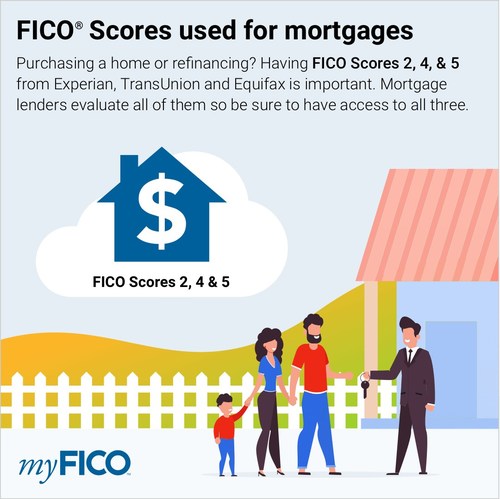
When you are ready to apply for a Kentucky mortgage loan approval to buy a house in the state of Kentucky, you will need a more accurate picture of how a mortgage lender may view your Transunion, Experian, Equifax credit reports and their scores. Scores go from 344 to 850 on each three credit bureaus and they take the middle score of the three, throwing out the highest and lowest score.  Kentucky Mortgage lenders look at your credit on Equifax as well as TransUnion and Experian — all 3 bureaus.

Illustration of a credit report based on Experian, TransUnion and Equifax data
 

components of Fico Score are payment history, amounts owed, credit types, new credit and length of credit

Although FICO Score version 8 is one of the latest and most predictive versions of the FICO Score, the mortgage industry generally uses the “classic” versions 5, 4 and 2 from Transunion, Equifax and Experian

Louisville Kentucky Mortgage Lender for FHA, VA, KHC, USDA and Rural  Housing Kentucky Mortgages: WHAT IS THE MINIMUM CREDIT SCORE FOR A KENTUCKY  FHA MORTGAGE HOME LOAN APPROVAL?

NapkinFinance-FICO-Napkin-08-16-20-v06


If you are planning to buy a home in Kentucky, one of the first questions you should be asking is: what credit score do I need to qualify? The second question is: what credit score do I need to get the best interest rate? These are not the same question. Qualifying is one thing. Securing optimal pricing is another.

Kentucky minimum credit score requirements by loan type

Credit score alone does not determine approval. Underwriting also evaluates income stability, debt-to-income ratio, assets, employment history, and the appraisal. That said, credit score is still a critical approval gate for most programs.

FHA loan (Federal Housing Administration)

  • Minimum allowed by HUD: 580 for 3.5% down; 500–579 typically requires 10% down
  • Real-world lender requirement in Kentucky: most lenders will not go below 580; many prefer 600–620

VA loan (Veterans Affairs)

  • VA does not publish a minimum credit score
  • Real-world lender overlays: most lenders require 580–620; stronger pricing typically starts at 640+

USDA Rural Development (guaranteed)

  • Technically, 580 may be accepted in some cases
  • In practice, 640+ is commonly needed for smoother automated approval; under 640 may trigger manual underwriting

Conventional (Fannie Mae)

  • 620 minimum
  • Best pricing is typically 740–760+

KHC (Kentucky Housing Corporation) with down payment assistance

  • 620 minimum
  • No exceptions for most KHC DPA options

Bottom line: most realistic Kentucky approval scenarios begin at 580 for FHA/VA and 620 for Conventional/KHC. USDA is often most efficient at 640+.

Government guidelines vs lender overlays

Programs like FHA, VA, USDA, Fannie Mae, and KHC publish baseline guidelines. Lenders often add overlays (stricter rules) due to risk and secondary market requirements. This is why “on paper” minimums may not match what lenders actually approve.

How lenders calculate your qualifying credit score

Mortgage lenders pull a tri-merge credit report showing three scores from Equifax, Experian, and TransUnion. The lender discards the highest and lowest score and uses the middle score.

Example:

  • Equifax: 610
  • Experian: 629
  • TransUnion: 614

Your qualifying score would be 614 (the middle score).

Most lenders require at least two usable scores. Also, the score you see on consumer apps is often not the same score model used for mortgage underwriting.

What credit score typically gets the best interest rate?

Rate pricing improves as scores rise. While exact pricing varies by day, lender, and loan type, these tiers are common:

  • 620–639: higher rates and limited pricing
  • 640–679: improved options
  • 680–719: strong approval tier
  • 720–759: excellent pricing
  • 760+: top tier pricing

If you are within 10–20 points of a better tier, improving your score before you lock can materially reduce your payment and long-term interest cost.

If your credit score is low: what to do next

Do not guess. Do not apply randomly. Also, do not dispute accounts without a plan (disputes can delay underwriting). The most effective approach is a structured credit review focused on:

  • reducing revolving utilization
  • verifying tradeline reporting accuracy
  • strategic payoff sequencing if needed
  • avoiding new inquiries and new debt

In many cases, meaningful improvement can happen in 30–60 days with the right steps.

Images from the original post

Replace the image URLs below with your WordPress Media Library URLs (or paste your existing image blocks here).

Credit score tiers for Kentucky mortgage approvals
Tri-merge credit report middle score example
Tri-merge credit report: how the middle score is used
Credit score range impact on mortgage rates
How credit score ranges can affect mortgage pricing

Frequently asked questions

What is the minimum credit score to buy a home in Kentucky?

Many lenders will consider FHA/VA at 580+ and Conventional/KHC at 620+. USDA is commonly easiest at 640+ for automated approval, though exceptions may exist depending on the full file.

Does VA have a minimum credit score requirement?

VA does not publish a minimum credit score. However, most lenders use overlays and commonly require 580–620.

Why is my Credit Karma score different than my mortgage score?

Mortgage lending uses specific FICO score models. Many consumer apps show different scoring models intended for education and monitoring, not mortgage underwriting.

How do lenders pick which credit score they use?

With three bureau scores, lenders typically use the middle score (not the highest or the lowest). Most lenders also require at least two usable scores.

What score gets the best mortgage rate?

Top pricing is commonly seen at 760+ and often strong pricing begins around 740+. Exact pricing depends on the loan type, down payment, DTI, reserves, and market conditions.

Contact

Joel Lobb
Senior Loan Officer
NMLS #57916
Website: http://mylouisvillekentuckymortgage.com/
Text or call: (502) 905-3708
Email: kentuckyloan@gmail.com


The views and opinions stated on this website belong solely to the author and are intended for informational purposes only. Posted information does not guarantee approval and does not represent full underwriting guidelines. This does not represent being part of a government agency. The views expressed do not necessarily reflect the view of my employer. Not all products or services mentioned may fit all borrowers. NMLS ID #57916 (www.nmlsconsumeraccess.org). USDA mortgage loans only offered in Kentucky.

All loans and lines are subject to credit approval, verification, and collateral evaluation and are originated by lender. Products and interest rates are subject to change without notice.

{ “@context”: “https://schema.org”, “@type”: “FAQPage”, “mainEntity”: [ { “@type”: “Question”, “name”: “What is the minimum credit score to buy a home in Kentucky?”, “acceptedAnswer”: { “@type”: “Answer”, “text”: “Many lenders will consider FHA/VA at 580+ and Conventional/KHC at 620+. USDA is commonly easiest at 640+ for automated approval, though exceptions may exist depending on the full file.” } }, { “@type”: “Question”, “name”: “Does VA have a minimum credit score requirement?”, “acceptedAnswer”: { “@type”: “Answer”, “text”: “VA does not publish a minimum credit score. However, most lenders use overlays and commonly require 580–620.” } }, { “@type”: “Question”, “name”: “Why is my Credit Karma score different than my mortgage score?”, “acceptedAnswer”: { “@type”: “Answer”, “text”: “Mortgage lending uses specific FICO score models. Many consumer apps show different scoring models intended for education and monitoring, not mortgage underwriting.” } }, { “@type”: “Question”, “name”: “How do lenders pick which credit score they use?”, “acceptedAnswer”: { “@type”: “Answer”, “text”: “With three bureau scores, lenders typically use the middle score (not the highest or the lowest). Most lenders also require at least two usable scores.” } }, { “@type”: “Question”, “name”: “What score gets the best mortgage rate?”, “acceptedAnswer”: { “@type”: “Answer”, “text”: “Top pricing is commonly seen at 760+ and often strong pricing begins around 740+. Exact pricing depends on the loan type, down payment, DTI, reserves, and market conditions.” } } ] } { “@context”: “https://schema.org”, “@type”: “MortgageLoan”, “name”: “Kentucky Mortgage Loan Options: FHA, VA, USDA, Conventional, KHC”, “description”: “Educational overview of credit score requirements and typical lender overlays for Kentucky mortgage loans, including FHA, VA, USDA, Conventional (Fannie Mae), and KHC down payment assistance options.”, “loanType”: [“FHA”, “VA”, “USDA”, “Conventional”, “KHC”], “areaServed”: { “@type”: “State”, “name”: “Kentucky” }, “provider”: { “@type”: “MortgageBroker”, “name”: “Joel Lobb, Mortgage Broker FHA, VA, KHC, USDA”, “telephone”: “+1-502-905-3708”, “email”: “kentuckyloan@gmail.com”, “url”: “http://mylouisvillekentuckymortgage.com/”, “identifier”: { “@type”: “PropertyValue”, “name”: “NMLS”, “value”: “57916” } }, “isBasedOn”: “Credit score guidance varies by program and lender overlays. Final approval depends on full underwriting including income, assets, DTI, and appraisal.”, “disclaimer”: “Informational only. Not a commitment to lend. All loans subject to credit approval, verification, and collateral evaluation. Rates and programs subject to change.” }

Kentucky Homebuying Guide: USDA Loans Post-Bankruptcy Explained

By Joel Lobb, Kentucky Mortgage Loan Officer | NMLS ID: 5791

Dreaming of homeownership in Kentucky but think a past bankruptcy or foreclosure has you permanently sidelined? Think again! USDA Rural Housing loans offer a powerful pathway to homeownership, even after financial setbacks. I have over 20 years of experience in helping Kentucky families achieve their homeownership dreams. I’ve guided hundreds of clients through this exact situation.

In this comprehensive guide, you’ll discover how to qualify for a USDA loan after bankruptcy. You will understand the credit requirements and navigate income limits. You’ll also find your perfect Kentucky home in an eligible rural area.


Table of Contents

  1. Why USDA Loans Are Perfect for Kentucky Homebuyers
  2. Bankruptcy & Foreclosure Requirements
  3. Credit Score Essentials
  4. Understanding Income Limits in Kentucky
  5. The New 29% DTI Rule & Property Eligibility
  6. Key Features & Fees of USDA Loans
  7. The Application Process & Required Documents
  8. Pros & Cons of USDA Loans
  9. How to Get Started Today

Why USDA Loans Are Perfect for Kentucky Homebuyers {#why-usda-loans}

USDA Rural Housing loans aren’t just for farmers! These government-backed mortgages are designed to promote homeownership in rural America. Under USDA guidelines, 97% of Kentucky qualifies as “rural”.

Key Benefits for Kentucky Residents:

✅ Zero Down Payment Required – 100% financing available ✅ No Monthly PMI – Unlike FHA loans ✅ Lower Interest Rates – Competitive rates backed by the federal government ✅ Flexible Credit Requirements – Options for borrowers rebuilding credit ✅ Forgiving After Financial Hardship – Shorter waiting periods than conventional loans ✅ Kentucky-Wide Availability – Most areas outside Louisville and Lexington qualify

Important Update: New affordability rules take effect November 4, 2025. It is crucial to apply sooner rather than later. Doing so will maximize your buying power.


Bankruptcy & Foreclosure Requirements {#bankruptcy-requirements}

One of the most common questions I hear is: “Can I still get a USDA loan after bankruptcy?” The answer is YES – but timing matters.

Chapter 7 Bankruptcy Requirements

Standard Waiting Period: 3 years from discharge date

Reduced Waiting Period: 2 years with extenuating circumstances

What counts as “extenuating circumstances”?

  • Job loss beyond your control
  • Serious illness or medical emergency
  • Death of a primary wage earner
  • Divorce resulting in loss of household income
  • Military deployment affecting finances

Important Note: The waiting period begins from the discharge date, not the filing date. Make sure you have your bankruptcy discharge paperwork ready.

Chapter 13 Bankruptcy Requirements

Waiting Period: 12 months of consistent, on-time, court-approved payments

Key Requirements:

  • Must have court trustee’s written approval to incur new debt
  • All 12 months of payments must be verified and on-time
  • Must demonstrate improved financial management
  • Cannot have any late payments during the 12-month period

Pro Tip: Start preparing your USDA loan application around month 10 of your Chapter 13 payments so you’re ready to move forward immediately after meeting the 12-month requirement.

Foreclosure Requirements

USDA Waiting Period After Foreclosure: 3 years from completion date

Can Be Reduced to 2 Years If:

  • The foreclosure resulted from documented extenuating circumstances
  • You’ve re-established good credit since the foreclosure
  • You can demonstrate the circumstances that caused the foreclosure are unlikely to recur

Short Sales and Deed-in-Lieu

Waiting Period: Generally 3 years, similar to foreclosure

Exception: May be reduced with extenuating circumstances and strong compensating factors


Credit Score Essentials

Minimum Credit Score: 620 (For Most Lenders)

While the USDA doesn’t set an official minimum credit score, most Kentucky lenders require a FICO score of at least 620 to qualify for automated underwriting approval.

What If Your Score Is Below 620?

Don’t give up! You may still qualify through manual underwriting if you can demonstrate:

Strong Compensating Factors:

  • 12+ months of on-time rent payments (documented)
  • Stable employment history (2+ years same employer)
  • Low debt-to-income ratio (under 29% PITI)
  • Cash reserves (3-6 months of housing payments)
  • Previous successful homeownership
  • Significant down payment (even though USDA allows 0% down)

Rebuilding Your Credit for USDA Approval

After Bankruptcy or Foreclosure, Focus On:

  1. Payment History (35% of score)
    • Pay ALL bills on time for at least 12 months
    • Set up automatic payments to avoid missed due dates
    • Even small bills matter (utilities, phone, etc.)
  2. Credit Utilization (30% of score)
    • Keep credit card balances below 30% of limits
    • Pay down existing debt aggressively
    • Don’t close old accounts (hurts credit age)
  3. New Credit (15% of score)
    • Consider a secured credit card to rebuild
    • Become an authorized user on someone’s card
    • Avoid multiple credit applications
  4. Credit Mix (10% of score)
    • Maintain different types of credit (installment + revolving)
    • Car loans, credit cards, and personal loans help

Timeline for Credit Recovery:

  • 6 months: Begin seeing improvement with on-time payments
  • 12 months: Significant score increases possible
  • 24 months: Approaching pre-bankruptcy score levels


Important Disclaimer

This article provides general information about USDA Rural Housing loans in Kentucky. Individual circumstances vary, and this should not be considered legal or financial advice. USDA guidelines are subject to change, and all information is current as of October 2025.

This website and its content are not endorsed by the USDA, FHA, VA, or any government agency. It is an independent platform created to educate and assist Kentucky homebuyers.

Bankruptcy and foreclosure situations require individual assessment. Always consult with a qualified mortgage professional and, if needed, legal counsel for guidance specific to your situation.


Contact Joel Lobb – Kentucky Mortgage Loan Officer

Ready to explore your USDA loan options after bankruptcy or foreclosure?

📧 Email: kentuckyloan@gmail.com 📞 Call/Text: 502-905-3708

Licensed Kentucky Mortgage Professional

Visit: www.nmlsconsumeraccess.org


Related Kentucky Mortgage Resources


USDA Appraisal Requirements and Home Inspection Checklist (2026)

Kentucky USDA Loan Guide · Updated September 2026

A USDA appraisal does two jobs: it confirms the home is worth the price, and it confirms the home meets HUD’s minimum property standards. Use the checklist below before you make an offer and again before the appraiser arrives, so repairs don’t push back your closing.

USDA appraisal requirements at a glance

  • Standard: the home must meet HUD Handbook 4000.1 minimum property standards: safe, sound and sanitary.
  • Appraiser: licensed or certified in Kentucky and familiar with HUD 4000.1. The appraiser certifies on the report that the home meets those standards.
  • Validity: the appraisal must be completed within 180 days of closing. Older appraisals can be updated.
  • Repairs: anything the appraiser flags must be fixed and re-inspected, or handled through a repair escrow if the lender allows it.
  • Home inspection: not required by USDA, but strongly recommended.

Source: USDA HB-1-3555, Chapter 12 (Property and Appraisal Requirements).

How the USDA appraisal works

  1. Your lender orders the appraisal after the purchase contract is signed.
  2. The appraiser inspects the home, pulls comparable sales and determines market value.
  3. If the home has deficiencies, the report is issued “subject to” repairs.
  4. The repairs are completed, usually by the seller, and the appraiser re-inspects.
  5. The appraiser signs off, and the file moves on to underwriting and USDA review.

USDA appraisal and inspection checklist

Walk the house with this list. Anything you can’t check off is a likely repair item.

Safety and access

  • ☐ Handrails on interior and exterior stairways
  • ☐ Guardrails on decks, porches and landings that need them
  • ☐ No exposed wiring; junction boxes covered
  • ☐ Every bedroom has a window or door that opens to the outside
  • ☐ Year-round vehicle access to the home
  • ☐ No nearby hazards (leaking tanks, contamination, high-voltage lines over the house)

Exterior and roof

  • ☐ Roof keeps water out, with no active leaks or missing shingles
  • ☐ Siding intact, no holes or rot
  • ☐ No chipped or peeling paint on homes built before 1978
  • ☐ Gutters, chimney, steps and porches sound
  • ☐ Foundation free of major cracks or settling
  • ☐ Pool (if any) meets local safety code

Systems and utilities

  • ☐ All utilities on for the appraisal: water, electric, gas and heat
  • ☐ Heating system works and heats the living area
  • ☐ Water heater works, with a proper relief valve
  • ☐ Electrical panel safe, with working outlets and lights in every room
  • ☐ No active plumbing leaks

Kitchen and baths

  • ☐ Working sink with hot and cold water
  • ☐ Appliances that convey with the sale are working
  • ☐ Toilets, tubs and showers work without leaks
  • ☐ Bathrooms vented (exhaust fan or window)

Crawl space and basement

  • ☐ No standing water or active moisture
  • ☐ Crawl space accessible for the appraiser
  • ☐ No visible wood rot, damaged joists or insect damage

Before the appraiser arrives

  • ☐ Utilities confirmed on (vacant and foreclosed homes)
  • ☐ Attic and crawl space accessible
  • ☐ Obvious small repairs done: paint, handrails, outlet covers
  • ☐ Well water test ordered, if the home has a well

Well and septic requirements for USDA loans

Many rural Kentucky homes have a private well or septic system. USDA’s rules:

  • Well water test: performed by the local health department or a state-certified lab. The water must meet state or local standards, or EPA limits where no local standard exists. The test report can be no more than 180 days old at closing.
  • Well location: the well should be on the property. A well on a neighbor’s land needs recorded water rights and a maintenance agreement.
  • Well-to-septic distance: must meet HUD 4000.1 or be approved by the local or state health authority.
  • Septic: if a qualified appraiser certifies the home meets HUD standards, no separate septic certification is required. The system must show no evidence of failure and must sit entirely on the property, or have a recorded easement.
  • Shared wells: allowed only when public water isn’t feasible, and they need a continuous, safe supply plus a shared-well agreement.

Is a termite inspection required for a USDA loan?

Only when the lender, the appraiser, a home inspector or state law requires one. It’s most often triggered when the appraiser sees signs of damage. Many lenders order one on existing homes anyway, so ask early and budget roughly $75 to $150 for it.

USDA appraisal vs. home inspection

USDA appraisalHome inspection
Required?YesNo, but recommended
Who it protectsThe lender and USDAYou, the buyer
What it checksValue, plus visible health and safety issuesDetailed condition of roof, systems, structure and components
Can require repairs?YesNo, but its findings help you negotiate

Your lender must give you HUD’s For Your Protection: Get a Home Inspection notice. Take the advice: the appraisal is not a full inspection.

What if the home needs repairs?

Most repairs are completed before closing and re-inspected by the appraiser. USDA also allows a repair escrow in limited cases:

  • The home must be livable at closing.
  • The unfinished work must be minor, or delayed by weather, and cost no more than 10% of the loan amount.
  • Repairs must be finished within 180 days of closing. Exterior work delayed by weather can be extended to 240 days.

Not every lender offers repair escrows. If you think the home needs work, tell me before you write the offer.

How long does a USDA appraisal take in Kentucky?

Plan on about one to two weeks from order to report, and longer in some rural counties or when the appraiser needs to come back to re-inspect repairs. The appraisal is only one step. See how long a Kentucky USDA loan takes to close for the full timeline, and check today’s USDA turn times for the current USDA review queue.

USDA appraisal FAQs

Does USDA use the same appraisal standards as FHA?

Yes. USDA uses HUD Handbook 4000.1 minimum property standards, the same standards used for FHA.

Who pays for the USDA appraisal?

The buyer typically pays it upfront or at closing. Sellers can pay closing costs as part of the contract.

What happens if the appraisal comes in low?

You can renegotiate the price, bring cash to cover the gap, or cancel if your contract has an appraisal contingency. (When the appraisal comes in above the price, USDA can finance closing costs up to the appraised value.)

How long is a USDA appraisal good for?

It must be completed within 180 days of closing. An older appraisal can be updated rather than redone.

Joel Lobb, Mortgage Loan Officer, NMLS #57916 | EVO Mortgage, Company NMLS #1738461. Equal Housing Lender. Call or text 502-905-3708.

This content is for educational purposes only and is not a commitment to lend. Loan approval is subject to credit, underwriting, property and program guidelines. Not affiliated with USDA or any government agency.

Kentucky USDA Home Loan Guide: Qualifying Criteria Explained

The Kentucky Rural Housing  USDA home loan program offers an excellent opportunity for eligible homebuyers in rural and suburban areas of Kentucky to secure affordable financing with no down payment. To qualify, applicants must meet specific requirements related to credit score, income, work history, bankruptcy, foreclosure, debt-to-income ratio, property requirements, and mortgage insurance. Here’s a detailed guide to help you understand these qualifications:

Credit Score Required For Kentucky Rural Housing Approval

No minimum credit score but a 580 to  640 is generally required to qualify for a USDA loan. This score allows for streamlined processing through the Guaranteed Underwriting System (GUS). Applicants with scores below 640 may still qualify but will need to undergo manual underwriting, which requires additional documentation and scrutiny.

Income Requirements for Kentucky USDA Rural Housing Approval

USDA loans have income limits that vary by county and household size. These limits are designed to ensure the program assists low- to moderate-income families. Generally, your household income should not exceed 115% of the median income for your area. The USDA provides an online tool to check income eligibility based on your location and household size.

Work History requirements for Kentucky USDA loan Approval 

A stable work history is essential for Kentucky  USDA loan approval. Lenders typically look for at least two years of consistent employment. Any gaps in employment need to be explained and documented. For self-employed applicants, a minimum of two years of tax returns is required to verify income stability.

Kentucky USDA Rural Housing Bankruptcy and Foreclosure Guidelines

While past financial difficulties like bankruptcy or foreclosure can affect your eligibility, they do not automatically disqualify you. Here are the typical waiting periods:

  • Chapter 7 Bankruptcy: At least three years from the discharge date.
  • Chapter 13 Bankruptcy: At least one year of the payout period must be completed with satisfactory payment history and court approval for a new loan.
  • Foreclosure: At least three years from the completion date.

Kentucky USDA Debt-to-Income Ratio (DTI) Requirements

The Kentucky USDA loan program has specific DTI requirements to ensure borrowers can manage their mortgage payments. The front-end ratio (housing expenses) should not exceed 29% of your gross monthly income, and the back-end ratio (total monthly debt obligations) should not exceed 45%. Exceptions can be made for borrowers with compensating factors, such as higher credit scores or additional cash reserves.

Kentucky USDA Property Requirements

USDA loans are intended for properties in designated rural areas. The USDA provides an online tool to check property eligibility. The home must be used as the primary residence and meet certain quality standards according to Kentucky FHA Appraisal HUD Guidelines  including:

  • Adequate and functional heating, plumbing, and electrical systems
  • Structurally sound foundation and roof
  • Safe water supply and waste disposal systems
  • Must have an undamaged exterior, foundation and roof
  • Must have safe and reasonable property access
  • Must not contain loose wiring and exposed electrical systems
  • Must have all relevant utilities, including gas, electricity, water and sewage functioning properly.
  • Must have a working, permanent heating system that can heat the property adequately
  • Must have surfaces free of chipping or peeling lead-based paint
  • Must have adequate access to attic spaces and natural ventilation in crawl spaces
  • Must have access to potable water
  • Must be free from wood-destroying insect infestations
  • Must not have interior and exterior health and safety hazards, such as no handrails on steep staircases
  • Must be a marketable property

Mortgage Insurance Required For Kentucky USDA loan Approval

Kentucky Rural Housing USDA loans require mortgage insurance, which includes an upfront guarantee fee and an annual fee. The upfront fee is typically 1% of the loan amount, which can be financed into the loan. The annual fee, usually 0.35% of the loan balance, is paid monthly as part of the mortgage payment. These fees help protect lenders and the USDA in case of borrower default.


Qualifying for a USDA home loan in Kentucky involves meeting specific criteria in several areas: Credit Score: No Minimum score but a 620-640 for streamlined processing; lower scores may require manual underwriting down to 580 with some lenders but few and far between Income Requirements: Must not exceed 115% of the median income for your area. Work History: At least two years of stable employment. Bankruptcy and Foreclosure: Waiting periods of 1-3 years depending on the situation. Debt-to-Income Ratio: 29% for housing expenses, 41% for total debt; exceptions possible. Property Requirements: Must be in a designated rural area and meet quality standards. Mortgage Insurance: Includes an upfront guarantee fee and an annual

Summary

Qualifying for a USDA home loan in Kentucky involves meeting specific criteria in several areas:

  • Credit Score: No Minimum score but a 620-640 for streamlined processing; lower scores may require manual underwriting down to 580 with some lenders but few and far between
  • Income Requirements: Must not exceed 115% of the median income for your area.
  • Work History: At least two years of stable employment.
  • Bankruptcy and Foreclosure: Waiting periods of 1-3 years depending on the situation.
  • Debt-to-Income Ratio: 29% for housing expenses, 41% for total debt; exceptions possible.
  • Property Requirements: Must be in a designated rural area and meet quality standards.
  • Mortgage Insurance: Includes an upfront guarantee fee and an annual fee.

By understanding and meeting these requirements, you can take advantage of the USDA loan program to achieve homeownership in Kentucky’s rural areas. For personalized assistance, consider consulting with a mortgage broker or lender experienced in USDA loans, like Joel Lobb in Louisville, who can guide you through the process and help you qualify.

Joel Lobb
Mortgage Broker – FHA, VA, USDA, KHC, Fannie Mae
EVO Mortgage • Helping Kentucky Homebuyers Since 2001
📞 Call/Text: 502-905-3708
📧 Email: kentuckyloan@gmail.com
🌐 Website: www.mylouisvillekentuckymortgage.com
🏠 Address: 10602 Timberwood Cir, Ste 3, Louisville, KY 40223
NMLS #57916 | Company NMLS #1738461
Free Info & Homebuyer Advice →
Kentucky Mortgage Loan Expert
FHA | VA | USDA | KHC Down Payment Assistance | Fannie Mae
Equal Housing Lender. This is not a commitment to lend. All loans are subject to credit approval and program requirements.