Tag: Rural development

Buy USDA Foreclosures in Kentucky with No Money Down


USDA Foreclosure Guide · Kentucky 2026

USDA Homes for Sale in Kentucky — No Money Down Loan Guide

Everything Kentucky homebuyers need to know about finding USDA-owned foreclosure homes and purchasing them with zero down payment through the USDA Rural Housing loan program.

By Joel Lobb — Mortgage Loan Officer NMLS #57916 502-905-3708 Updated March 2026
📋

Current Kentucky USDA Foreclosure Inventory — March 2026

As of today, Kentucky USDA-owned foreclosure listings are very limited. USDA resale inventory changes weekly — properties sell quickly and new ones are added regularly. This is normal; there are periods of zero listings followed by bursts of new inventory. Check the official USDA resales site below for the most current listings, and contact Joel Lobb immediately when a property appears — these homes move fast.

🔍 View Live USDA Kentucky Listings →
What Are USDA Foreclosure Homes?

USDA Homes for Sale in Kentucky — What Buyers Need to Know

If you’re searching for USDA homes for sale in Kentucky, no money down homes in Kentucky, or government foreclosure homes near me, here’s what you need to know: the USDA Rural Development program periodically lists foreclosed homes it has repossessed — and these properties can be purchased with a zero-down USDA loan.

However, USDA-owned foreclosure inventory in Kentucky is limited and moves fast. The good news? Even when USDA-owned foreclosure inventory is low, you can still buy any USDA-eligible home in rural Kentucky with no money down using the USDA Guaranteed Rural Housing loan — not just USDA-owned properties.

💡 Key insight: You don’t have to wait for a USDA foreclosure listing to buy a home with no money down. The USDA Section 502 Guaranteed Loan program allows Kentucky buyers to purchase any USDA-eligible home — including regular market listings — with 100% financing and no down payment required.


Where to Find Listings

Where to Search for USDA Foreclosure Homes in Kentucky

Use these official sources to find current USDA and government-owned homes in Kentucky. Each source lists different types of government-owned properties.

1

USDA Official Resales Site

The only authoritative source for USDA-RD owned foreclosure homes. Search by state and county for live Kentucky listings.

Search USDA Listings →
2

HUD HomeStore

FHA-insured foreclosures owned by HUD. Many are in USDA-eligible rural areas and can qualify for USDA financing.

Search HUD Homes →
3

Fannie Mae HomePath

Fannie Mae-owned foreclosure homes in Kentucky. Some are in rural USDA-eligible areas qualifying for zero-down financing.

Search HomePath →
4

Call Joel Lobb Directly

Joel monitors Kentucky USDA inventory and can alert you the moment new foreclosure listings appear in your target county.

📞 502-905-3708 →

The Better Strategy

Don’t Wait for a Foreclosure — Buy Any USDA-Eligible Home With Zero Down

Most Kentucky buyers searching for USDA foreclosure homes don’t realize they can purchase any home in a USDA-eligible rural area with no money down — not just government-owned foreclosures. The USDA Section 502 Guaranteed Loan is available on the open market, giving you thousands more homes to choose from across Kentucky’s 120 counties.

Zero Down Payment

100% financing — buy a home in rural Kentucky with no down payment required.

Low Monthly Cost

USDA annual MI is just 0.35% vs FHA’s 0.85% — saving hundreds per year.

Competitive Rates

USDA loan rates are typically at or below conventional mortgage rates for qualified buyers.

Same-Day Approval

Joel offers free mortgage applications with same-day pre-approval decisions.

Roll In Closing Costs

If the home appraises above purchase price, closing costs can be financed into the loan.

First-Time Buyer Friendly

No prior homeownership required. USDA works great for Kentucky first-time buyers.


USDA-Eligible Areas

Kentucky Counties Where USDA No Money Down Loans Are Available

Over 96% of Kentucky’s land area is USDA-eligible. These are popular counties where Kentucky buyers use USDA loans — including areas where USDA foreclosures have historically appeared.

Graves County
Calloway County
Logan County
Montgomery County
Caldwell County
McCracken County
Henderson County
Henry County
Christian County
Muhlenberg County
Barren County
Hart County
Grayson County
Edmonson County
Taylor County
Green County
+ 100 more counties

Qualification Requirements

How to Qualify for a USDA No Money Down Loan in Kentucky — 2025 Guidelines

Requirement 2025 Guideline Notes
Down Payment0% Required100% financing — no savings needed
Credit Score620 minimum640+ preferred; below 640 needs manual UW
Income Limit (1–4 people)~$119,650Varies by county; higher in some KY areas
Income Limit (5–8 people)~$158,050Boone, Campbell, Kenton counties higher
Employment History2 years requiredSelf-employed: 2 years tax returns
Property TypePrimary residence onlyNo investment properties or vacation homes
Property LocationUSDA-eligible rural area96%+ of KY qualifies — verify free at USDA.gov
Debt-to-Income Ratio41–44% maxHigher ratios allowed with compensating factors
Annual MI Fee0.35% per yearMuch lower than FHA’s 0.85%
Upfront Guarantee Fee1.0% of loanCan be financed into the loan — no cash needed
How It Works

Step-by-Step: Buying a USDA Home in Kentucky With No Money Down

  • 1

    Get Pre-Approved First — Same Day

    Call or text Joel Lobb at 502-905-3708 for a free pre-approval. Most Kentucky buyers receive a decision the same day. This confirms your budget and makes your offer stronger.

  • 2

    Check the USDA Resales Site for Foreclosure Inventory

    Visit properties.sc.egov.usda.gov and filter by Kentucky → Single Family Housing. Inventory changes weekly. When a listing appears, move quickly — these homes attract multiple offers.

  • 3

    Search the Open Market for USDA-Eligible Homes

    Any home in a USDA-eligible Kentucky zip code can qualify for zero-down financing. Use Zillow, Realtor.com, or a local agent and filter by your target counties.

  • 4

    Verify USDA Eligibility on the Property

    Go to eligibility.sc.egov.usda.gov and enter the property address. Joel can also verify this instantly — just text him the address.

  • 5

    Submit Your Offer and Apply for USDA Financing

    Once your offer is accepted, Joel handles your full USDA loan application. USDA closings in Kentucky typically take 30–45 days.

Pro Tips for Finding USDA Foreclosures Before They’re Gone

  • Subscribe to email alerts at the USDA resales website (free alert service available)
  • Call Joel Lobb — he actively monitors Kentucky USDA inventory and can notify you immediately
  • Check the site every Monday and Wednesday — USDA typically updates listings mid-week
  • Be ready to move fast — have your pre-approval letter in hand before a property appears
  • USDA foreclosures require offers through a licensed real estate agent — have one lined up

Frequently Asked Questions

Kentucky USDA Homes for Sale — Common Questions

Why are there no USDA foreclosure homes listed in Kentucky right now?
USDA foreclosure inventory is naturally limited and cyclical. When listings do appear, they sell quickly — sometimes within days. Zero listings is common and temporary. Set up an alert on the USDA resales site or contact Joel to be notified the moment new inventory hits.
Can I still buy a home in Kentucky with no money down if there are no USDA foreclosures available?
Absolutely yes. The USDA Section 502 Guaranteed Loan is available on any USDA-eligible property in Kentucky — not just USDA-owned foreclosures. With over 96% of Kentucky’s land area eligible, you have thousands of homes to choose from right now with zero down payment.
What Kentucky counties have had USDA foreclosure homes for sale historically?
Past USDA foreclosure listings in Kentucky have appeared in Graves, Caldwell, Montgomery, McCracken, Logan, Calloway, Henderson, and Henry counties, among others. Western Kentucky and Eastern Kentucky rural counties tend to see the most inventory.
How fast do USDA foreclosure homes sell in Kentucky?
Very fast — often within 1–2 weeks of listing. Having your USDA pre-approval letter ready before inventory appears is critical. Joel Lobb offers same-day pre-approvals so you can act immediately when a listing hits.
Do I need a real estate agent to buy a USDA foreclosure home?
Yes. USDA requires all offers on USDA-owned resale properties to be submitted through a licensed real estate agent or broker. The seller (USDA) typically pays the buyer’s agent commission — so it’s free to use an agent as a buyer.
What is the income limit for a USDA loan in Kentucky in 2025?
Most Kentucky counties allow household incomes up to $110,650 for 1–4 person households and $146,050 for 5–8 person households. Boone, Campbell, Gallatin, and Kenton counties have higher limits. Call Joel to verify your specific county.
Can I use KHC down payment assistance with a USDA loan in Kentucky?
Yes — KHC (Kentucky Housing Corporation) down payment assistance can be combined with USDA financing in many cases to cover closing costs, making your total out-of-pocket cost potentially zero dollars. Ask Joel about current KHC programs available in your county.

Ready to Buy a Kentucky Home With No Money Down?

Whether a USDA foreclosure listing appears or you want to buy any eligible Kentucky home with zero down, Joel Lobb is your local USDA expert. Free application, same-day approvals, and personal service throughout the process.

JL

Joel Lobb — Kentucky Mortgage Loan Officer

Over 20 years of experience helping Kentucky families buy homes with USDA, FHA, VA, KHC, and Fannie Mae loans. More than 1,300 Kentucky families served. Licensed in Kentucky only. Same-day approvals available.

NMLS Personal ID: #57916 · Company NMLS: #1738461 · Equal Housing Lender · Licensed in Kentucky only. This website is not endorsed by the USDA, FHA, VA, or any government agency. All loan approvals subject to underwriting guidelines and eligibility requirements.

How Credit Scores Affect Your Kentucky Mortgage Loan


When you are ready to apply for a Kentucky mortgage loan approval to buy a house in the state of Kentucky, you will need a more accurate picture of how a mortgage lender may view your Transunion, Experian, Equifax credit reports and their scores. Scores go from 344 to 850 on each three credit bureaus and they take the middle score of the three, throwing out the highest and lowest score.  Kentucky Mortgage lenders look at your credit on Equifax as well as TransUnion and Experian — all 3 bureaus.

Illustration of a credit report based on Experian, TransUnion and Equifax data
 

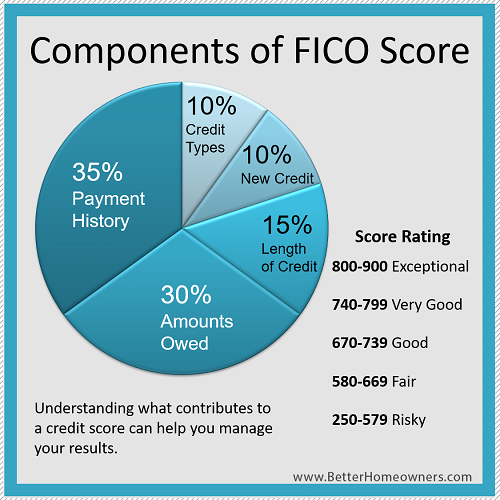
components of Fico Score are payment history, amounts owed, credit types, new credit and length of credit

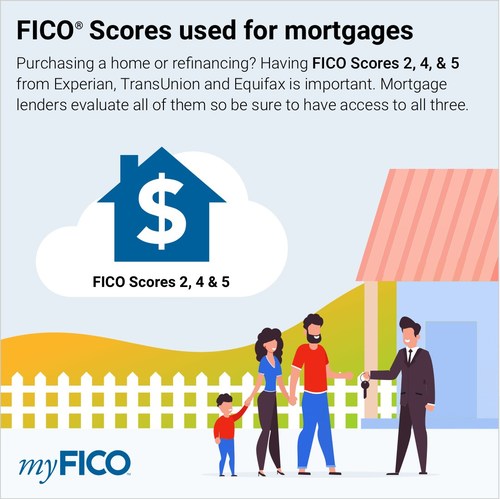
Although FICO Score version 8 is one of the latest and most predictive versions of the FICO Score, the mortgage industry generally uses the “classic” versions 5, 4 and 2 from Transunion, Equifax and Experian

Louisville Kentucky Mortgage Lender for FHA, VA, KHC, USDA and Rural  Housing Kentucky Mortgages: WHAT IS THE MINIMUM CREDIT SCORE FOR A KENTUCKY  FHA MORTGAGE HOME LOAN APPROVAL?

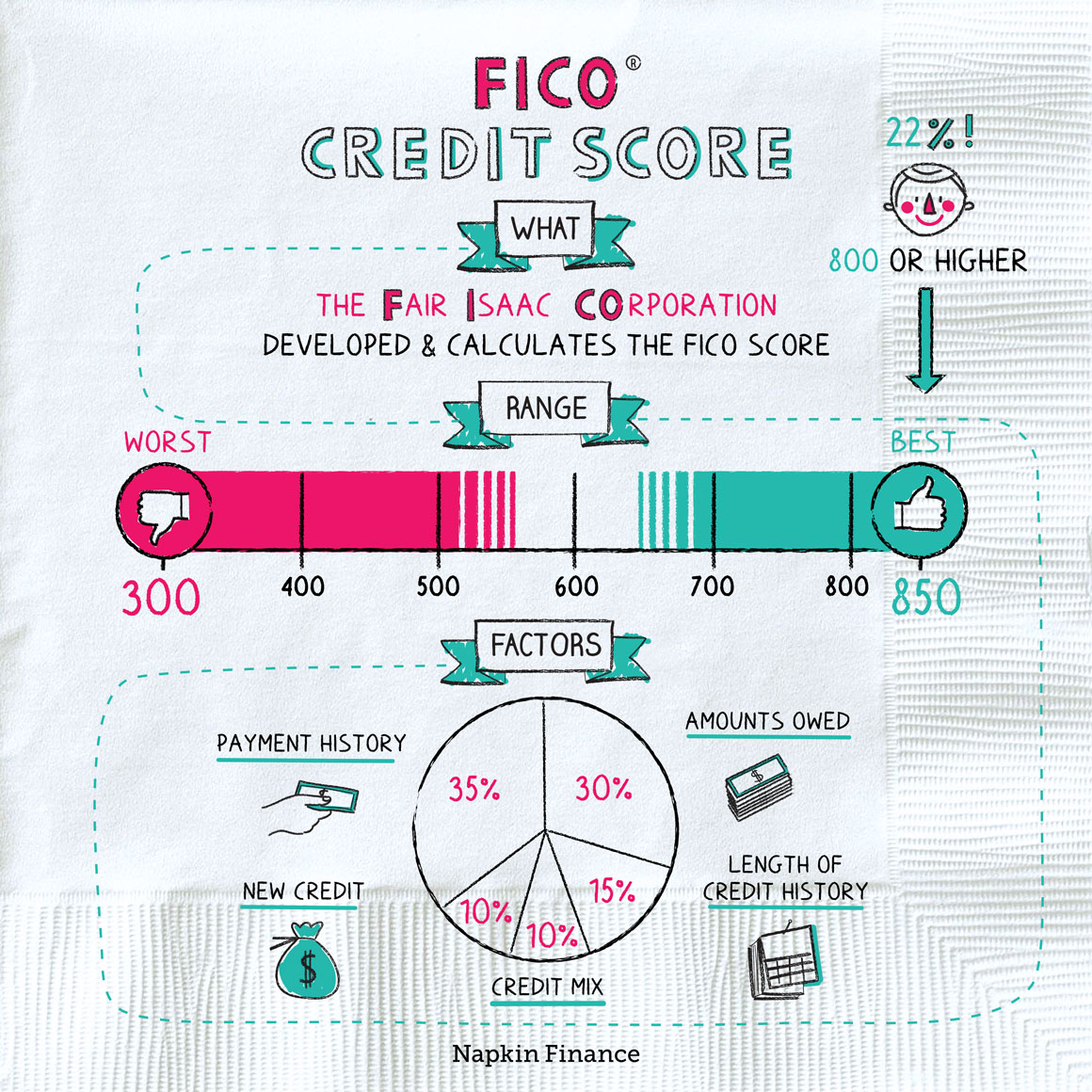
NapkinFinance-FICO-Napkin-08-16-20-v06


If you are planning to buy a home in Kentucky, one of the first questions you should be asking is: what credit score do I need to qualify? The second question is: what credit score do I need to get the best interest rate? These are not the same question. Qualifying is one thing. Securing optimal pricing is another.

Kentucky minimum credit score requirements by loan type

Credit score alone does not determine approval. Underwriting also evaluates income stability, debt-to-income ratio, assets, employment history, and the appraisal. That said, credit score is still a critical approval gate for most programs.

FHA loan (Federal Housing Administration)

  • Minimum allowed by HUD: 580 for 3.5% down; 500–579 typically requires 10% down
  • Real-world lender requirement in Kentucky: most lenders will not go below 580; many prefer 600–620

VA loan (Veterans Affairs)

  • VA does not publish a minimum credit score
  • Real-world lender overlays: most lenders require 580–620; stronger pricing typically starts at 640+

USDA Rural Development (guaranteed)

  • Technically, 580 may be accepted in some cases
  • In practice, 640+ is commonly needed for smoother automated approval; under 640 may trigger manual underwriting

Conventional (Fannie Mae)

  • 620 minimum
  • Best pricing is typically 740–760+

KHC (Kentucky Housing Corporation) with down payment assistance

  • 620 minimum
  • No exceptions for most KHC DPA options

Bottom line: most realistic Kentucky approval scenarios begin at 580 for FHA/VA and 620 for Conventional/KHC. USDA is often most efficient at 640+.

Government guidelines vs lender overlays

Programs like FHA, VA, USDA, Fannie Mae, and KHC publish baseline guidelines. Lenders often add overlays (stricter rules) due to risk and secondary market requirements. This is why “on paper” minimums may not match what lenders actually approve.

How lenders calculate your qualifying credit score

Mortgage lenders pull a tri-merge credit report showing three scores from Equifax, Experian, and TransUnion. The lender discards the highest and lowest score and uses the middle score.

Example:

  • Equifax: 610
  • Experian: 629
  • TransUnion: 614

Your qualifying score would be 614 (the middle score).

Most lenders require at least two usable scores. Also, the score you see on consumer apps is often not the same score model used for mortgage underwriting.

What credit score typically gets the best interest rate?

Rate pricing improves as scores rise. While exact pricing varies by day, lender, and loan type, these tiers are common:

  • 620–639: higher rates and limited pricing
  • 640–679: improved options
  • 680–719: strong approval tier
  • 720–759: excellent pricing
  • 760+: top tier pricing

If you are within 10–20 points of a better tier, improving your score before you lock can materially reduce your payment and long-term interest cost.

If your credit score is low: what to do next

Do not guess. Do not apply randomly. Also, do not dispute accounts without a plan (disputes can delay underwriting). The most effective approach is a structured credit review focused on:

  • reducing revolving utilization
  • verifying tradeline reporting accuracy
  • strategic payoff sequencing if needed
  • avoiding new inquiries and new debt

In many cases, meaningful improvement can happen in 30–60 days with the right steps.

Images from the original post

Replace the image URLs below with your WordPress Media Library URLs (or paste your existing image blocks here).

Credit score tiers for Kentucky mortgage approvals
Tri-merge credit report middle score example
Tri-merge credit report: how the middle score is used
Credit score range impact on mortgage rates
How credit score ranges can affect mortgage pricing

Frequently asked questions

What is the minimum credit score to buy a home in Kentucky?

Many lenders will consider FHA/VA at 580+ and Conventional/KHC at 620+. USDA is commonly easiest at 640+ for automated approval, though exceptions may exist depending on the full file.

Does VA have a minimum credit score requirement?

VA does not publish a minimum credit score. However, most lenders use overlays and commonly require 580–620.

Why is my Credit Karma score different than my mortgage score?

Mortgage lending uses specific FICO score models. Many consumer apps show different scoring models intended for education and monitoring, not mortgage underwriting.

How do lenders pick which credit score they use?

With three bureau scores, lenders typically use the middle score (not the highest or the lowest). Most lenders also require at least two usable scores.

What score gets the best mortgage rate?

Top pricing is commonly seen at 760+ and often strong pricing begins around 740+. Exact pricing depends on the loan type, down payment, DTI, reserves, and market conditions.

Contact

Joel Lobb
Senior Loan Officer
NMLS #57916
Website: http://mylouisvillekentuckymortgage.com/
Text or call: (502) 905-3708
Email: kentuckyloan@gmail.com


The views and opinions stated on this website belong solely to the author and are intended for informational purposes only. Posted information does not guarantee approval and does not represent full underwriting guidelines. This does not represent being part of a government agency. The views expressed do not necessarily reflect the view of my employer. Not all products or services mentioned may fit all borrowers. NMLS ID #57916 (www.nmlsconsumeraccess.org). USDA mortgage loans only offered in Kentucky.

All loans and lines are subject to credit approval, verification, and collateral evaluation and are originated by lender. Products and interest rates are subject to change without notice.

{ “@context”: “https://schema.org”, “@type”: “FAQPage”, “mainEntity”: [ { “@type”: “Question”, “name”: “What is the minimum credit score to buy a home in Kentucky?”, “acceptedAnswer”: { “@type”: “Answer”, “text”: “Many lenders will consider FHA/VA at 580+ and Conventional/KHC at 620+. USDA is commonly easiest at 640+ for automated approval, though exceptions may exist depending on the full file.” } }, { “@type”: “Question”, “name”: “Does VA have a minimum credit score requirement?”, “acceptedAnswer”: { “@type”: “Answer”, “text”: “VA does not publish a minimum credit score. However, most lenders use overlays and commonly require 580–620.” } }, { “@type”: “Question”, “name”: “Why is my Credit Karma score different than my mortgage score?”, “acceptedAnswer”: { “@type”: “Answer”, “text”: “Mortgage lending uses specific FICO score models. Many consumer apps show different scoring models intended for education and monitoring, not mortgage underwriting.” } }, { “@type”: “Question”, “name”: “How do lenders pick which credit score they use?”, “acceptedAnswer”: { “@type”: “Answer”, “text”: “With three bureau scores, lenders typically use the middle score (not the highest or the lowest). Most lenders also require at least two usable scores.” } }, { “@type”: “Question”, “name”: “What score gets the best mortgage rate?”, “acceptedAnswer”: { “@type”: “Answer”, “text”: “Top pricing is commonly seen at 760+ and often strong pricing begins around 740+. Exact pricing depends on the loan type, down payment, DTI, reserves, and market conditions.” } } ] } { “@context”: “https://schema.org”, “@type”: “MortgageLoan”, “name”: “Kentucky Mortgage Loan Options: FHA, VA, USDA, Conventional, KHC”, “description”: “Educational overview of credit score requirements and typical lender overlays for Kentucky mortgage loans, including FHA, VA, USDA, Conventional (Fannie Mae), and KHC down payment assistance options.”, “loanType”: [“FHA”, “VA”, “USDA”, “Conventional”, “KHC”], “areaServed”: { “@type”: “State”, “name”: “Kentucky” }, “provider”: { “@type”: “MortgageBroker”, “name”: “Joel Lobb, Mortgage Broker FHA, VA, KHC, USDA”, “telephone”: “+1-502-905-3708”, “email”: “kentuckyloan@gmail.com”, “url”: “http://mylouisvillekentuckymortgage.com/”, “identifier”: { “@type”: “PropertyValue”, “name”: “NMLS”, “value”: “57916” } }, “isBasedOn”: “Credit score guidance varies by program and lender overlays. Final approval depends on full underwriting including income, assets, DTI, and appraisal.”, “disclaimer”: “Informational only. Not a commitment to lend. All loans subject to credit approval, verification, and collateral evaluation. Rates and programs subject to change.” }

Kentucky USDA Loans: No Money Down Options


Kentucky USDA Loans | Rural Housing Loans Kentucky.

via Kentucky USDA Loans | Rural Housing Loans Kentucky.

100% Financing Zero Down Payment Financing Kentucky Mortgages and Home loans

Buy a Home with No Down-Payment or Refinance Your Mortgage to 100% Just a few years ago, most mortgage companies offered no money down home loans, but today only there are only a handful of experienced lenders offering the USDA and VA home loans. Don’t miss out on affordable mortgage rates for no equity mortgages. Now is the time to discuss no money down home buying or no equity refinancing while rates are low and the programs still exist.


100% Financing Zero Down Payment Financing Kentucky Mortgages and Home loans


Joel Lobb
Mortgage Broker – FHA, VA, USDA, KHC, Fannie Mae
EVO Mortgage • Helping Kentucky Homebuyers Since 2001
📞 Call/Text: 502-905-3708
📧 Email: kentuckyloan@gmail.com
🌐 Website: www.mylouisvillekentuckymortgage.com
🏠 Address: 911 Barret Ave, Louisville, KY 40204
NMLS #57916 | Company NMLS #1738461
Free Info & Homebuyer Advice →
Kentucky Mortgage Loan Expert
FHA | VA | USDA | KHC Down Payment Assistance | Fannie Mae
Equal Housing Lender. This is not a commitment to lend. All loans are subject to credit approval and program requirements.

Understanding Credit Scores for Kentucky Loans


No Down Payment Required, Zero NADA! – Kentucky Rural Housing USDA loans

Credit Scores:

If you have a credit score below 640 you will probably get referred for a manual underwrite which means the income and credit requirements are much tougher for scores below 640. We can do scores down to 620 but usually it is best to try and raise your score to 640 so we can get an automated approval thru GUS.

If GUS returns an refer/eligible, then we can consider doing a manul underwrite on your loan approval. This usually entails a verifiable rent history over the last 12 months with no lates, and the debt to income ratios are usually tied to the industry old standard of 29% and 41% respectively.

If GUS returns an ineligible status, then your loan is automatically denied and there is no chance of getting approved when this result shows.

No Down Payment Required, Zero NADA! – Kentucky Rural Housing USDA loans

Collections:

If you have any delinquent back taxes, student loans they would need to be paid or brought current so you don’t have any liens to the government.

Delinquent Government Debt (back taxes, student loans

Medical bills are usually okay if they are not showing as a garnishment against you or on the title search.

Large unpaid utility bills, credit card charge offs, and car repos will usually have to be paid before closing. You will have to show you have funds to pay these off before closing.

Foreclosure:

You have to be 3 years removed from a foreclosure to qualify for a Kentucky RHS loan.

Bankruptcy:

  • Chapter 7 Bankruptices require a 3 year wait after the bankruptcy was discharged.
  • Chapter 13 bankruptices only require 1 year wait after discharge. 
52798-academy-mortgage-apply-now
J

Understanding USDA Loan Appraisal Requirements


Kentucky USDA Loan Guide

Kentucky USDA Appraisals: What to Expect (and What Can Trigger Repairs)

USDA appraisals follow FHA minimum property standards to confirm value and ensure the home is safe, sound, and move-in ready.

Key point

The USDA appraisal is completed by an FHA-approved appraiser and must follow FHA property requirements. The report typically includes language substantially similar to:

“The subject meets minimum standards as set under guidelines established by the U.S. Department of Housing and Urban Development and indicated in Handbook 4000.1.”

How the USDA appraisal works

  1. Appraiser inspects the property and determines market value.
  2. If the home has property deficiencies, the appraisal is issued “subject to” repairs.
  3. Repairs are completed and the appraiser performs a re-inspection.
  4. Appraiser signs off once repairs meet minimum standards.

Common property deficiencies that can delay closing

  • Chipped or peeling paint
  • Missing handrails on stairs or guardrails on decks
  • Non-working lights, exposed wiring, or uncovered junction boxes
  • Inoperable HVAC, plumbing leaks, or non-working water heater
  • Utilities not turned on at time of appraisal (water/electric/heat)

Bottom line: USDA is designed for homes in move-in condition, not fixer-uppers.

What FHA/USDA appraisers typically review

General health and safety

  • Foundation or structural defects
  • Working utilities: water, sewer/septic, heat, electricity
  • Paint hazards (especially pre-1978 peeling paint)
  • Incomplete renovations
  • Water damage or moisture concerns
  • Access for vehicles/emergency access
  • External hazards and excessive noise
  • Missing handrails/guardrails

Exterior

  • Roof condition and leaks
  • Damaged siding or holes
  • Doors that don’t open/close properly
  • Gutters, chimney, porches, stairs, railings
  • Fencing issues that create safety concerns
  • Swimming pool safety/code (if applicable)

Interior and systems

  • Each room has working electricity
  • Bedroom egress (window or exterior door)
  • Kitchen: typical conveyed appliances and working sink
  • Bathrooms: working fixtures and ventilation
  • Crawlspace/basement: moisture or standing water
  • Heating and plumbing: operable with no major leaks

Repair escrow note (important)

A limited repair escrow option may be available through select USDA lenders. If you think repairs may be required, tell me before you write the offer so we can align the lender strategy up front and avoid avoidable delays.

Appraisal vs home inspection

An FHA/USDA appraisal is not a full home inspection. Buyers should still obtain an independent home inspection to evaluate overall condition, components, and long-term maintenance risks.

Equal Housing Lender. NMLS #57916 | Company NMLS #1738461.

This content is for educational purposes only and is not a commitment to lend. Loan approval is subject to credit, underwriting, and program guidelines.

As with all loan programs, the USDA Loan requires that an independent appraiser inspect the subject property in order to determine the property value. Specific to a USDA Loan, the appraisal report will be conducted by an FHA approved appraiser. The appraisal report must include verbiage or similar verbiage:

“The subject meets minimum standards as set under guidelines established by the U.S. Department of Housing and Urban Development and indicated in Handbooks 4000.1”

No different from a FHA or VA appraisal inspection, the appraiser is required to document all property deficiencies that preclude the appraiser from signing off on their report. A property deficiency is any defect to the house that the appraiser deems necessary to have repaired to ensure compliance to the loan program guidelines. Typical examples of property deficiencies include:

  • Chipped and peeling paint
  • Missing handrails on stairs and railing on decks
  • Lights not working properly and wires hanging out of the electrical box
  • Non-working heating and cooling systems and plumbing
  • Houses that do not have utilities turned on

If a property has deficiencies, the appraiser will determine the value of the property, but state that their report is subject to the property defects listed being corrected. After the property defects are repaired, the appraiser will re-inspect the property, and signoff if the required repairs have been completed.

Bottom line, the USDA Loan program is designed to finance homes that are in move-in condition, not fixer-uppers. However, on a subsequent email I will review an option to establish a repair escrow account to address certain property deficiencies. The repair escrow account is only available through one of my many USDA lenders, so it is imperative to inform me when making an offer a house if this option will be required.

Kentucky USDA appraisals

Kentucky USDA appraisals can take home buyers by surprise. That’s why we’ve put together some good-to-know info about the process. Feel free to use this to help educate your clients. 

The property must pass an FHA appraisal, so USDA and FHA have the same appraisal requirements, which determines the current market value and makes sure the house meets certain safety standards. Here is a list of items an FHA appraiser may look for:

General Health and Safety

  • Foundation or structural defects
  • Whether the utilities (water, sewage, heat, and electricity) all work
  • Chipped or peeling paint in homes built before 1978
  • Incomplete renovations
  • Water damage
  • If the property is accessible to vehicles, especially emergency vehicles
  • Exposed wiring and uncovered junction boxes
  • Whether the house is too close to outside hazards, such as a leaking oil tank or a waste dump
  • Excessive noise, such as being close to an airport
  • Missing handrails

Exterior

  • Leaky or defective roof and holes in the siding
  • Leaning or broken fencing 
  • Doors that don’t properly open or close
  • Condition of gutters, chimney, stairs, railings, and porches
  • If swimming pools are up to code 

Every Room

  • Whether each room has electricity
  • Whether each room has a window or door to the exterior to be used as a fire escape

Kitchen

  • Missing or broken appliances usually sold with a home, including stove and refrigerator
  • Broken or leaking sink

Bathrooms

  • Broken or leaking toilet, sink, or tub/shower
  • No ventilation (either an exhaust fan or window)

Crawl space or basement

  • Basement moisture
  • Evidence of past or present standing water

Heating and Plumbing

  • Inoperable HVAC
  • Major plumbing issues and leaks

These are some common items an FHA appraiser looks for, but other issues that might make a house unsafe could keep it from passing. An FHA appraisal is not the same as an independent home inspection. It’s still a good idea to get a separate home inspection to make sure you’re making a wise investment! 

USDA APPRAISAL REQUIREMENTS FOR KENTUCKY MORTGAGE LOANS